What does crypt mean?
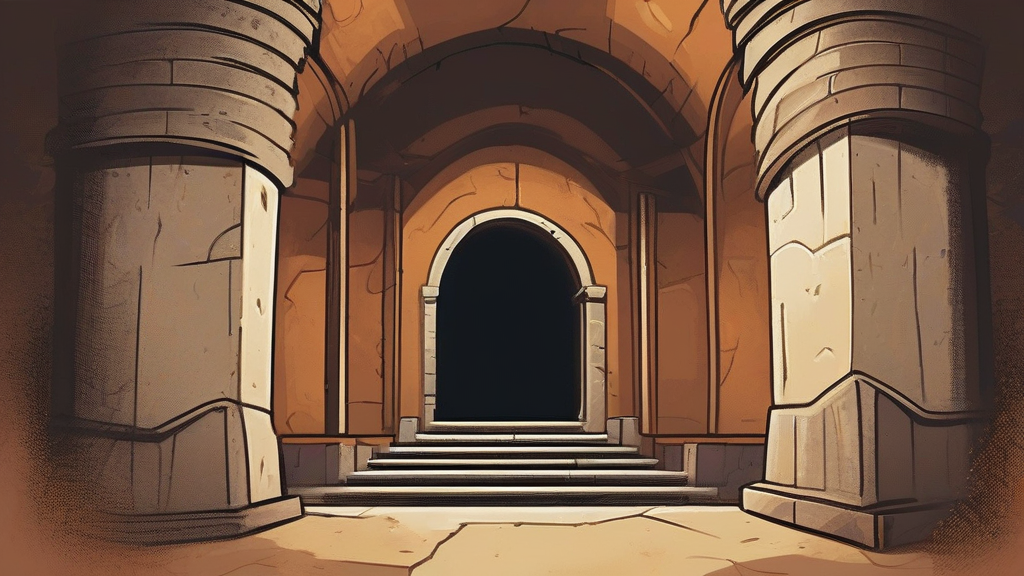
A crypt is an underground chamber, most commonly one located beneath a church or cathedral, used for burials, tombs, and the safekeeping of sacred relics. The word evokes solemnity and antiquity: medieval cathedrals often contain vast crypts where bishops, monarchs, and benefactors were interred, and archaeologists frequently uncover them during excavations. Beyond this primary religious sense, crypt has a specialized use in anatomy and medicine, where it denotes small tubular recesses in organs — such as the intestinal crypts or the crypts of the tonsils. The word derives from the Greek kryptos, meaning 'hidden', making it a relative of encrypt, cryptic, and cryptography. With its associations of mystery, history, and quiet darkness, crypt is a staple of Gothic fiction and a useful term for describing both literal burial chambers and anything concealed beneath the surface.
nounAn underground room or vault beneath a church, especially one used as a burial place or for holding relics.
- An underground chamber or vault beneath a church, used for burials, tombs, or relics.
- (Rare) A pit or anatomical recess resembling a small hidden cavity, such as a tonsillar crypt or intestinal crypt.
"The medieval crypt beneath the cathedral houses the tombs of the city's ancient bishops."
"Visitors descended the stone steps into the candlelit crypt to view the royal sarcophagi."
"The pathologist noted inflammation in the intestinal crypts of the tissue sample."
Standard regular plural; used both for multiple underground chambers and for anatomical recesses.
"The cathedral's crypts extend far beyond the visible chapel above."
The word 'crypt' comes from the Greek 'kryptos', meaning hidden — the same root that gives us 'encryption' and 'cryptic', so every crypt is literally a 'hidden' place.
Reviewed by Deb Chak, Editor. AI-assisted content curated by RJS Tech Solutions LLP.
Etymology of crypt
Crypt entered English in the late Middle Ages via Latin crypta and Old French cripte, ultimately from the Greek kryptē, meaning a hidden place, itself derived from kryptos ('hidden'). The same Greek root underlies cryptic, encrypt, and cryptography, all of which concern concealment. Cognates appear across European languages, including French crypte and German Krypta.
Related word forms
How crypt is actually used
Crypt carries solemn, historical, and slightly gothic connotations; it appears most often in religious, archaeological, and literary contexts. In anatomy and medicine it refers to small tubular recesses (e.g. crypts of Lieberkühn), a technical sense unfamiliar to most general readers.
Easily confused with crypt
Crypt is a noun meaning an underground burial chamber, while cryptic is an adjective meaning mysterious or having hidden meaning.
A crib is a bed for a baby (or, informally, a home), whereas a crypt is an underground chamber used for burials.