What does cubbing mean?
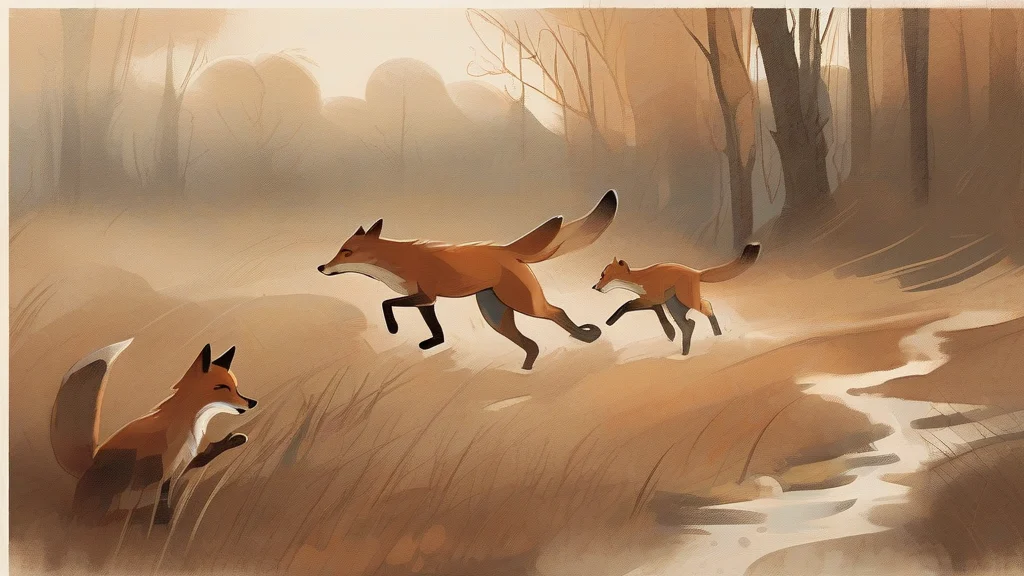
Cubbing refers most prominently to the hunting of young foxes by packs of hounds, a practice rooted in traditional British foxhunting. In the hunting calendar, cubbing — often written 'cub-hunting' — takes place in late summer and early autumn, before the formal season opens, and serves to train young hounds in the chase under comparatively controlled conditions. The term has also been used, more narrowly, to describe the act of an animal giving birth to a litter of cubs, as when a bear or vixen is said to be 'cubbing'. Because of its close association with foxhunting, the word today tends to appear mainly in rural, sporting, or historical contexts, and it can carry charged connotations given ongoing controversy over hunting with hounds in Britain. For readers outside these circles, 'cubbing season' is the phrase most likely to be encountered in print.
noun (gerund/verbal noun)The action or practice of hunting young foxes, especially as an early-season form of foxhunting in which hounds are trained on fox cubs; also, more generally, the act of giving birth to a litter of cubs.
- The hunting of young foxes by hounds, especially early-season hunting used to train young hounds (chiefly British).
- The act of giving birth to a litter of cubs, as done by bears, foxes, lions, and other animals.
"The hunt's cubbing season begins in late August, before the formal opening of the hunting year."
"Cubbing traditionally takes place in the early morning during August and September."
"The den was undisturbed while the vixen was cubbing deep inside."
As a verbal noun, 'cubbing' is uncountable and has no plural form.
"Cubbing was a fixture of the rural autumn calendar."
In traditional British foxhunting, 'cubbing' was the autumn warm-up — young hounds trained on young foxes before the main season opened in November.
Reviewed by Deb Chak, Editor. AI-assisted content curated by RJS Tech Solutions LLP.
Etymology of cubbing
Cubbing derives from 'cub', a word of Scandinavian origin (compare Old Norse 'kubbr', a stumpy or young creature), which entered English in the sixteenth century to mean the young of a bear, fox, lion, or similar carnivore. The verbal use — 'to cub', meaning both to give birth to cubs and, later, to hunt cubs — developed naturally from this noun, with 'cubbing' attested from at least the eighteenth century in British sporting literature. It shares its root with related formations such as 'cubby' and 'cubhood'.
Related word forms
How cubbing is actually used
Primarily a term from traditional British foxhunting circles, where 'cubbing' (or 'cub-hunting') is a recognized part of the hunting calendar. The animal-birth sense is rarer and largely confined to naturalists' writing. The word carries strong connotations tied to the hunting debate in Britain.
Easily confused with cubbing
Clubbing means going out to nightclubs or striking with a club, whereas cubbing refers to hunting fox cubs or animals giving birth to cubs.