
What does cultivator mean?
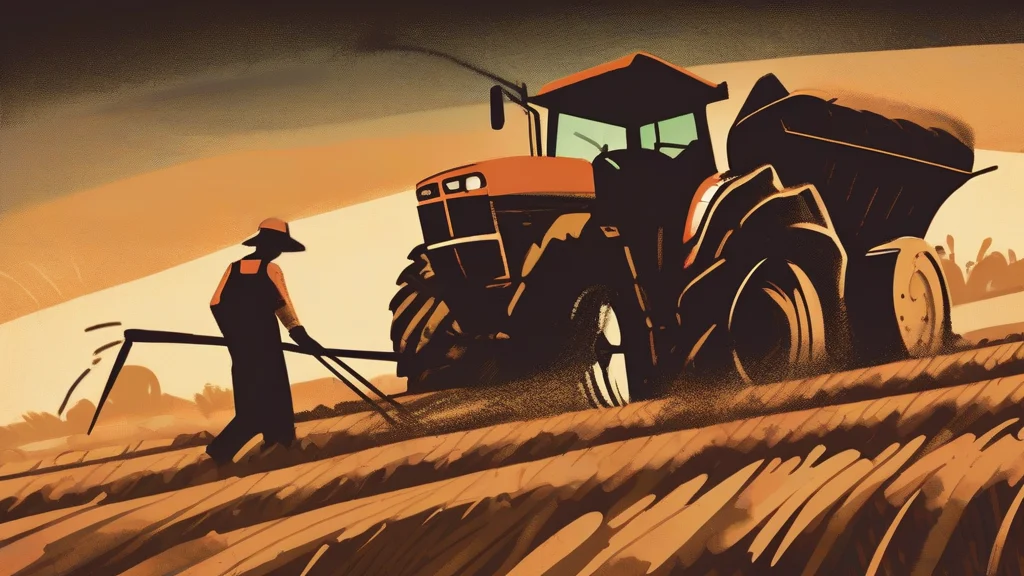
A cultivator is primarily a farm or garden implement designed to stir and break up soil. Fitted with tines, blades, or discs, it loosens compacted earth, destroys weeds, and prepares seedbeds for planting, typically while being drawn behind a tractor or, on a smaller scale, pushed by hand through a garden plot. By extension, the word can describe a person who cultivates land — one who tends crops and improves the ground they grow in — though this human sense is now less common than the mechanical one. The term derives from the Latin colere, meaning to till or inhabit, the same root that produced the words culture and cultivation, reflecting how deeply agriculture is woven into language itself. In everyday speech, especially in Britain, a cultivator may also be called a rotavator or tiller. The word carries no strong connotation beyond its practical, workaday association with farming and gardening, making it a useful term in both technical agricultural writing and ordinary conversation about growing things.
nounA cultivator is a farm or garden implement with tines, blades, or discs used to loosen and aerate soil, destroy weeds, and prepare ground for planting. The word can also denote a person who cultivates land or fosters the growth of crops.
- An agricultural implement used to break up soil, remove weeds, and aerate the ground, typically drawn by a tractor or animal, or pushed by hand in smaller garden versions.
- A person who cultivates land or raises crops; one who tends and improves the growth of plants.
"The farmer hitched the cultivator to the tractor and worked the field before sowing the spring wheat."
"Before planting the maize, he passed the cultivator between the rows to clear out the young weeds."
"As a lifelong cultivator of rare orchids, she spent hours each day in her greenhouse."
Standard pluralisation applies; used when referring to multiple machines or multiple people engaged in cultivating.
"The dealership stocked several rotary cultivators for the coming season."
The same Latin word that gave us 'culture' — colere, 'to till' — also gave us the cultivator: every time you talk about someone being 'cultured', you're really talking about farming.
Reviewed by Deb Chak, Editor. AI-assisted content curated by RJS Tech Solutions LLP.
Etymology of cultivator
Cultivator derives from the Latin verb colere, meaning 'to till, tend, or cultivate', via the agent noun cultivator formed from the past participle stem cult-. The English verb cultivate was borrowed from Medieval Latin cultivare in the 17th century, and the noun cultivator arose shortly after as the name for both a person and later an implement that performs this work. It shares its ultimate root with culture, colony, and cult — all tracing back to the same Latin idea of tending and dwelling upon land.
Related word forms
How cultivator is actually used
In modern usage the word overwhelmingly refers to the machine or tool; the human sense survives mainly in older agricultural writing and figurative phrases such as 'a cultivator of talent'. In North America, small motorised garden versions are often called 'tillers' rather than cultivators, though the terms overlap.
Easily confused with cultivator
Cultivatable (or cultivable) is an adjective describing land that can be cultivated, whereas a cultivator is either the implement that works the soil or the person who does so.
A culvert is a structure carrying water under a road or embankment, unrelated in meaning to the agricultural sense of cultivator despite a similar-looking spelling.