
What does harrow mean?
Harrow is most commonly a noun for a toothed farm implement dragged across soil to break clods, prepare a seedbed, or smooth the ground. Used as a verb, it means to perform that agricultural operation: farmers harrow a field before sowing. Harrow also has a figurative and rather literary meaning, “to stir up or distress,” especially painful feelings; a memory or grief can harrow someone. In British English, a pupil at Harrow School may be called a “harrow,” while someone associated with the school may be described as Harrovian. The word’s forceful associations come partly from the physical action of the implement, whose teeth scrape and tear the earth. Because of that imagery, the figurative verb is often more emotionally charged than the neutral verb disturb. Harrow remains useful today in agricultural writing and in formal descriptions of grief, anxiety, or repeated unsettling thoughts.
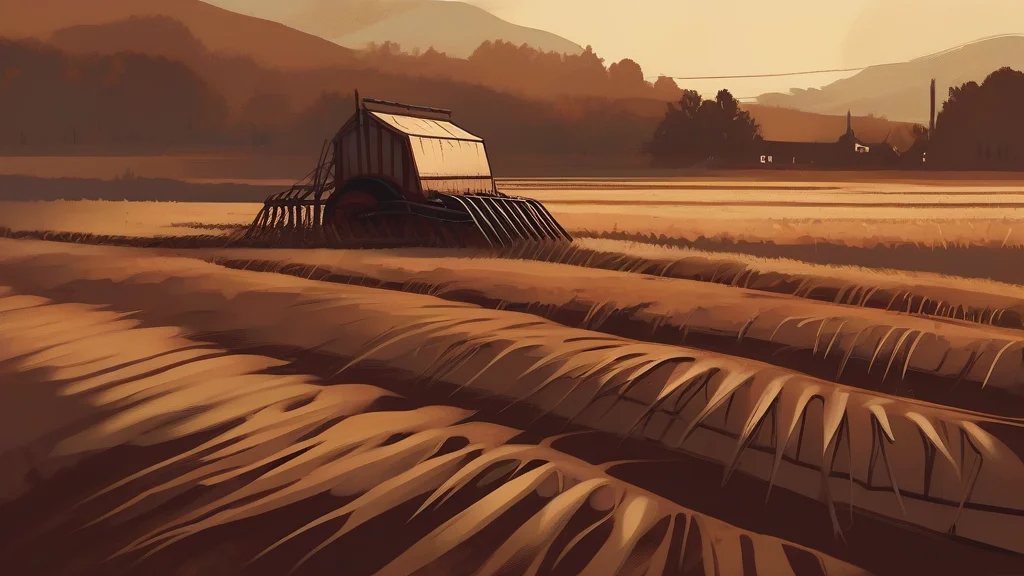
A toothed agricultural implement dragged over soil to break clods, level the ground, or prepare a seedbed. In British English, the noun can also denote a pupil at Harrow School.
"A spike-tooth harrow was attached behind the horses."
The school-related sense is British and is normally used with a capital H when referring to the school.
To drag a harrow over soil in preparation for planting. Figuratively, it means to cause or intensify acute emotional pain or distress.
"Workers harrowed the field and then sowed the seed."
The figurative sense is literary and often implies repeated or deeply unsettling distress.
The regular plural is harrows. For the school-pupil sense, modern British usage usually prefers “Harrow pupils” or “Harrovians.”
"The barn held two harrows and a seed drill."
Harrow names both a toothed field implement and a prominent British school whose pupils are called Harrovians.
Reviewed by Deb Chak, Editor. AI-assisted content curated by RJS Tech Solutions LLP.
Where does harrow come from?
Harrow comes through Middle English harwe from Old English herwe, an inherited Germanic word for a toothed implement. Its remote root is associated with roughness or hardness and also underlies related words such as harsh and hard, while the verb has traditionally been linked to harry, meaning to vex or torment. The agricultural noun and verb were established before the modern period, and the figurative use developed by applying the implement’s scraping and disturbing action to feelings.
Related word forms
How harrow is actually used
The agricultural senses are literal and practical, while the emotional sense is more literary and often suggests persistent, painful distress. In modern British usage, “Harrow pupil” is generally preferred to “harrow” for a student at the school.
Easily confused with harrow
A barrow is a cart or a mound, whereas a harrow is a toothed implement used to work soil.