What does curing mean?
Curing refers to the act or process of making something whole, stable, or lasting. Its oldest and most familiar sense concerns healing: curing an illness means bringing about its end and restoring health. A second major sense is preservation — curing meat, fish, or vegetables with salt, smoke, sugar, or drying so they keep long without refrigeration, a practice as old as civilization and still central to foods like ham, bacon, salami, and pickles. A third, industrial sense describes the hardening of materials: concrete cures as it gains strength over time, and adhesives, resins, and rubbers cure under heat, chemicals, or ultraviolet light. Across all these uses the word conveys transformation toward durability or wellness. Whether spoken by a physician, a charcutier, or a civil engineer, curing names the patient craft of turning something perishable, raw, or broken into something sound and enduring.
The process or result of preserving food or materials with salt, smoke, heat, or similar treatment; also the action of healing or the treatment that effects a cure.
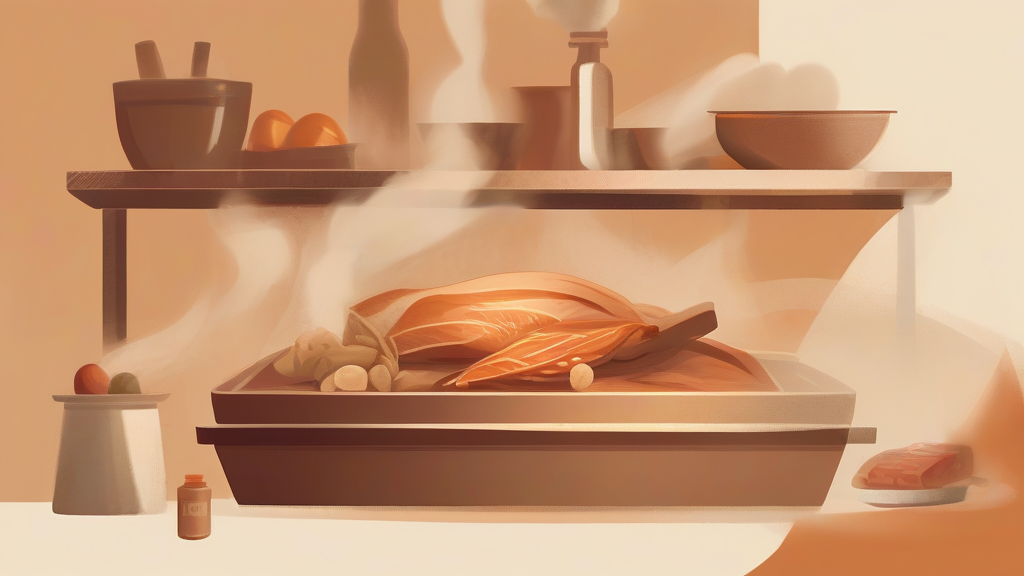
"Traditional curing of salmon produces gravlax."
As a noun, 'curing' most often appears in technical, culinary, or industrial writing rather than everyday conversation.
Present participle of 'cure': to heal a person or animal, to preserve food or hides, or to harden a substance such as concrete or resin.
"They spent the autumn curing olives in brine."
Long before refrigerators existed, curing was humanity's lifeline — salt and smoke were quite literally what stood between a family and starvation through winter.
Reviewed by Deb Chak, Editor. AI-assisted content curated by RJS Tech Solutions LLP.
Etymology of curing
The word traces to Latin 'cura', meaning care, heed, or charge — the same root behind 'curator' (one who has care of something) and 'cure' in its ecclesiastical sense of a priest's charge of souls. It entered English via Old French 'curer' (from Latin 'curare', to take care of), and by Middle English times 'cure' meant both spiritual care and physical healing. The medical sense became dominant from the early modern period, while the preservative and industrial senses developed as practical extensions: applying care to meat keeps it, and careful treatment sets concrete. Cognates include French 'soin' only distantly, but directly related English words are curative, curable, curator, and procure, all descending from cura.
Related word forms
How curing is actually used
'Curing' in the medical sense carries positive, hopeful connotations and often appears in discussions of disease and research. In food contexts it suggests tradition and craftsmanship, though cured meats are sometimes discussed health-wise because of their nitrite or salt content. In industrial and construction contexts ('concrete curing', 'UV curing') it is neutral technical vocabulary.
Easily confused with curing
'Cuing' is the present participle of 'cue' (giving a signal or prompt), while 'curing' means healing, preserving, or hardening — they differ by one letter but share nothing in meaning.