What does curio mean?
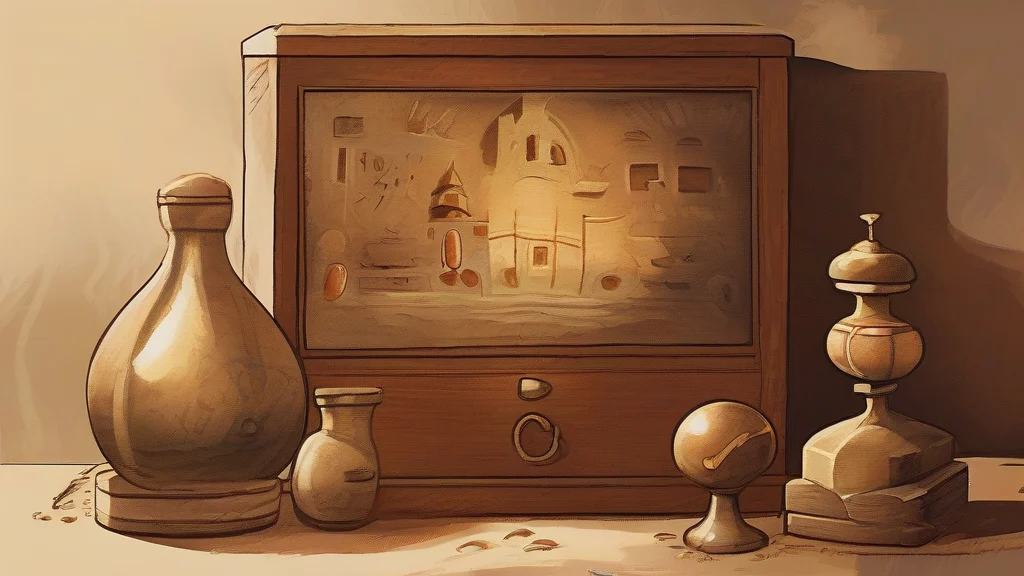
A curio is a small object prized for its rarity, oddity, or charm rather than for any practical use — think antique clocks, carved figurines, seashells, or souvenirs from faraway places. The word is essentially a shortened form of 'curiosity', a term that once described both rare objects and the desire to know about them. Curios are typically displayed in cabinets or on shelves, where they serve as conversation pieces and windows into other times and cultures. The word often appears in phrases like 'curio shop' or 'curio cabinet', referring to places and furnishings devoted to such collections. While some curios can be genuinely valuable antiques, the term usually suggests something quaint, eccentric, or mildly exotic rather than prestigious. It carries a warm, affectionate tone — a curio invites a smile or a story more often than serious appraisal. For collectors, travelers, and lovers of the unusual, curio captures the delight of owning a small piece of wonder.
nounA curio is a rare, unusual, or intriguing object, typically a small antique or item of curiosity collected and displayed for its interest rather than its practical value.
- A small, unusual object valued as a collector's item or conversation piece, often an antique or exotic artifact.
"The shop's shelves were crowded with curios — old clocks, brass compasses, and faded postcards from distant ports."
"She displayed her grandmother's porcelain figurines in a glass curio cabinet."
"The museum gift shop sold replicas of the curios found in ancient tombs."
Standard plural; the word has no other inflected forms.
"The stall was heaped with curios gathered from a lifetime of travel."
A 'curio' isn't just any trinket — the word was clipped straight from 'curiosity', making it literally a piece of curiosity you can hold in your hand.
Reviewed by Deb Chak, Editor. AI-assisted content curated by RJS Tech Solutions LLP.
Etymology of curio
Curio originated in the mid-19th century as a shortened form of 'curiosity' in its sense of a rare or remarkable object, first recorded in the 1850s in American English. Its ultimate root is Latin 'curiosus', meaning careful or inquisitive, which also gave English the words curious and curiosity through French influence. The clipping reflects Victorian enthusiasm for collecting exotic artifacts during an era of global exploration.
Related word forms
How curio is actually used
Curio is a somewhat informal or affectionate term, often used of antiques and collectibles; it carries a connotation of charming eccentricity rather than great monetary worth.
Easily confused with curio
Curious describes a person who is eager to learn or something strange, while curio is a physical object that arouses curiosity.