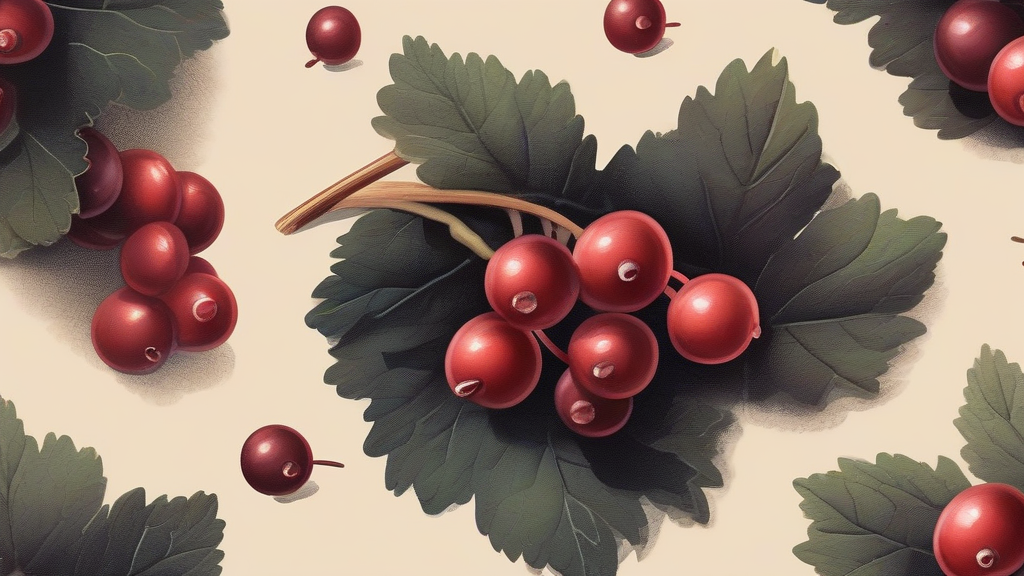
What does currant mean?
A currant is a small edible fruit, and the word covers two related but distinct things. Most broadly, it refers to the berries of shrubs in the gooseberry family (genus Ribes), especially the tart blackcurrant, the bright redcurrant, and the paler whitecurrant, all widely used in Britain and northern Europe for jams, jellies, juices, and desserts. Separately, "currant" also names a tiny, seedless dried grape — smaller than a raisin — long prized in baking for fruitcakes, buns, and mince pies. The two senses share a name largely by historical accident: the dried grapes were originally exported from Corinth in Greece, and their trade name gradually fused into "currant," while the Ribes berries were later given the same word by association. Currants carry homely, traditional connotations — think teatime buns and grandmother's jam — making the word a fixture of cooking and gardening vocabulary alike.
A small dried seedless grape used especially in cakes, buns, and other baked goods.
"Add a handful of currants to the hot cross bun dough."
Often listed alongside raisins and sultanas in baking recipes; each denotes a different variety or drying process of grape.
The edible berry of any of several shrubs of the genus Ribes, typically blackcurrant, redcurrant, or whitecurrant.
"Redcurrant jelly is a classic accompaniment to roast lamb."
Usually specified with a color prefix (blackcurrant, redcurrant, whitecurrant); particularly common in British usage.
Standard regular plural; used both for multiple dried fruits and for the berries themselves.
"The recipe calls for equal parts raisins and currants."
The currant got its name from Corinth: medieval merchants called the tiny Greek raisins "raisins of Corauntz," and over centuries "Corinth" simply melted into "currant."
Reviewed by Deb Chak, Editor. AI-assisted content curated by RJS Tech Solutions LLP.
Etymology of currant
"Currant" derives from Middle English "raysons of Coraunte" ("raisins of Corinth"), named for the Greek city of Corinth from which the small dried grapes were traded across Europe from around the fourteenth century. The phrase was gradually shortened and worn down until "Corinth" itself became "currant." By the sixteenth century the same word was being applied to the unrelated berries of the genus Ribes — the black-, red-, and whitecurrants — because their size resembled the little dried fruits. The identical-sounding "current" is an entirely separate word, from Latin "currere" (to run).
How currant is actually used
In British English, "currant" most often refers to fresh black-, red-, or whitecurrants from the Ribes family, which appear in jams, juices, and desserts; the dried kind is common in baking contexts on both sides of the Atlantic. In American English, fresh currants are less familiar, and "currant" alone frequently suggests the dried grape used in fruitcakes and scones. Note that blackcurrants were once widely banned in the United States because they can host white pine blister rust, so many Americans have never tasted them fresh.
Easily confused with currant
"Current" means flowing or present/up-to-date (an adjective or noun for a flow of water, air, or electricity), while "currant" is always the fruit — they are pronounced identically but entirely unrelated in meaning.