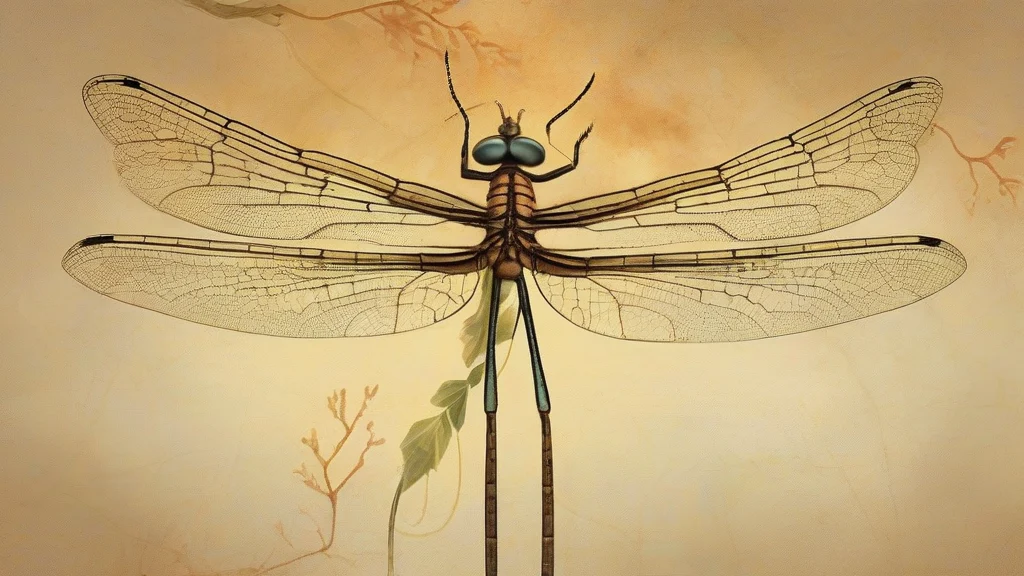
What does damselfly mean?
A damselfly is any of a group of slender, delicate insects belonging to the suborder Zygoptera within the order Odonata — the same order as dragonflies, to which they are closely related. Damselflies are typically much smaller than dragonflies and are easily recognized by their two pairs of narrow wings that are nearly identical in size; when the insect is at rest, these wings are usually folded together above the body rather than spread flat to the sides, as dragonflies do. They are generally weaker, fluttering fliers, often found hovering near ponds, streams, and other freshwater habitats where they hunt small flying insects. Their aquatic larvae, known as nymphs, live underwater and serve as important indicators of water quality in ecological studies. The word combines 'damsel', an old term for a young woman, with 'fly'. Common in nature writing and field guides, 'damselfly' is a precise and useful term for anyone observing or describing freshwater wildlife.
nounA slender insect of the suborder Zygoptera, related to the dragonfly but smaller and weaker in flight, typically holding its two pairs of narrow, similarly sized wings together above or alongside the body when at rest.
- Any slender insect of the suborder Zygoptera (order Odonata), closely related to dragonflies but distinguished by its small size, weak flight, and habit of folding its two pairs of similar-sized wings together when perched.
"A vivid blue damselfly hovered over the pond's surface before settling on a reed."
"A scarlet damselfly rested on a lily pad at the edge of the garden pond."
"Ecologists counted damselfly larvae in the stream as an indicator of clean water quality."
The standard plural follows the regular pattern for nouns ending in -y preceded by a consonant, changing y to -ies.
"Hundreds of red-eyed damselflies swarmed along the canal in early summer."
Despite their delicate looks, damselfly nymphs are fierce underwater hunters — and some species can spend years living below water before emerging as adults that live only weeks.
Reviewed by Deb Chak, Editor. AI-assisted content curated by RJS Tech Solutions LLP.
Etymology of damselfly
The word 'damselfly' is formed by combining 'damsel', meaning a young unmarried woman or maiden, with 'fly', referring to the winged insect. The element 'damsel' derives ultimately from Old French 'damisele' or 'dameisele', a variant of 'demoiselle', itself from Late Latin 'dominicella', a diminutive of Latin 'domina' meaning 'lady'. The name alludes to the insect's delicate, graceful appearance. English also preserves this same root in 'demoiselle', which appears in the names of certain damselfly species such as the banded demoiselle.
How damselfly is actually used
The word is standard in both British and American English and is used chiefly in natural history, ecology, and everyday observation of wildlife; it carries no figurative or idiomatic usage.
Easily confused with damselfly
Dragonflies are larger and stronger fliers whose wings are held horizontally out from the body at rest, whereas damselflies are more delicate and fold their wings together above the body.