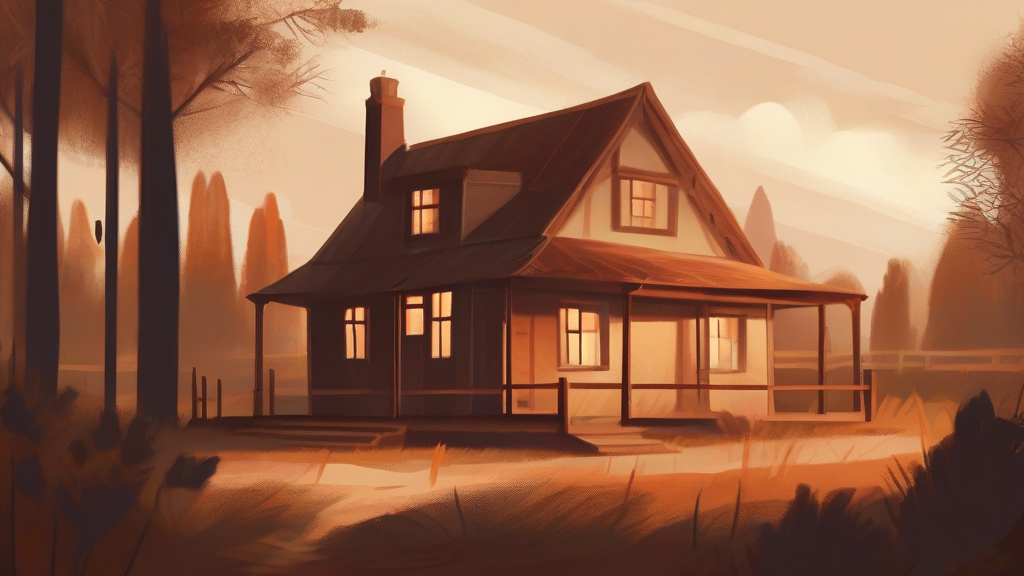
What does datcha mean?
A datcha — more commonly spelled dacha in English — is a Russian country house or cottage, traditionally used as a seasonal refuge from urban life. Typically a modest wooden dwelling set on a plot of land outside major cities, it serves as a place for growing vegetables and fruit, relaxing with family, and entertaining friends during long summer weekends. The word entered English from Russian in the nineteenth century and derives ultimately from the verb dat', meaning "to give," reflecting its historical origin as land granted by the state. In Soviet times, datchas were allocated to citizens and became a fixture of everyday life; today they range from simple garden sheds to substantial villas. The word evokes notions of rustic simplicity, self-sufficiency, and the deep cultural importance of countryside escapes in Russia and other post-Soviet countries.
nounA datcha is a variant spelling of dacha: a Russian country house or cottage, typically used as a seasonal or weekend retreat and often accompanied by a plot of land for growing vegetables.
- A Russian country house or cottage, usually with a garden plot, used as a seasonal retreat.
"Every summer the family escaped Moscow for their datcha on the edge of the pine forest."
"They spent every August at the datcha, canning cucumbers and swimming in the river."
"His grandfather's datcha, a modest wooden house outside St Petersburg, had been in the family since Soviet times."
The plural follows regular English patterns; in transliterated Russian contexts, "dachas" is standard alongside the preferred spelling "dacha."
"The road out of the city was jammed with cars heading to their datchas for the holiday weekend."
The humble Russian datcha traces back to a verb meaning simply "to give" — a gift of land from the state that generations of Russians turned into their beloved summer escape.
Reviewed by Deb Chak, Editor. AI-assisted content curated by RJS Tech Solutions LLP.
Etymology of datcha
The word comes from Russian дача (dacha), originally meaning "a giving" or "something given," from the verb dat' ("to give"), which shares an ancient Indo-European root (*do-, "to give") with English words like donate, date, and data. It entered English during the nineteenth century as travelers described the country houses of the Russian gentry. Under the Soviets, the term broadened to describe the small plots and cottages allotted to ordinary citizens, cementing its modern association with rural leisure.
How datcha is actually used
The spelling "datcha" is a less common variant of "dacha," which is now the standard form in English. The word carries warm connotations of rural leisure, gardening, and escape from city life.
Easily confused with datcha
"Dacha" is the standard English spelling of the Russian word for a country house; "datcha" is simply a less common variant rendering of the same word, not a different thing.