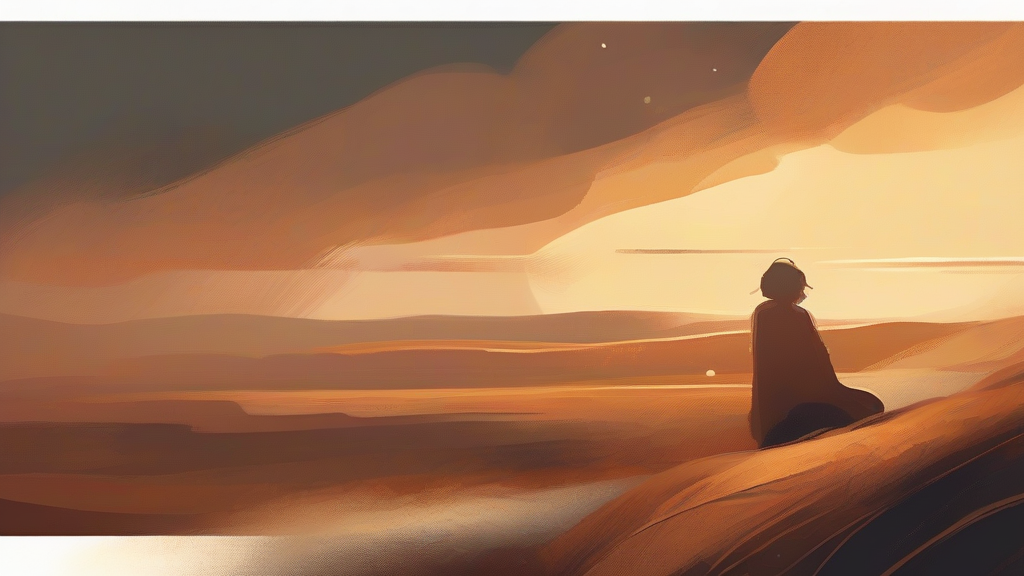
What does daybreak mean?
Daybreak is a noun denoting the moment each morning when light first appears in the sky, marking the transition from night to day. It sits alongside near-synonyms such as dawn, sunrise, and first light, though it carries a slightly more literary tone than the everyday 'sunrise' and often appears in narrative or descriptive prose. The word is built transparently from 'day' plus 'break', reflecting the image of light breaking through the darkness. It is typically used with the preposition 'at' — as in 'they departed at daybreak' — or 'before' and 'until', making it especially common in accounts of journeys, military operations, farming, and fishing, where early starts matter. Its antonyms include dusk, sunset, and nightfall. While not among the most frequent words of daily conversation, it remains a vivid, evocative choice for writers seeking precision or atmosphere.
nounThe first appearance of light in the sky as the sun rises; the moment when morning begins and night ends.
- The time each morning when light first appears in the sky; the beginning of the day.
- (Literary) The first light of morning itself.
"The fishermen set out at daybreak, hoping to reach the shoals before the wind rose."
"We broke camp at daybreak to avoid climbing the pass in the midday heat."
"A pale gold haze spread across the fields at daybreak."
Rarely pluralized; daybreak normally appears in the singular since each day has only one. A plural would occur only in poetic or unusual contexts referring to multiple instances.
"The poem lingers over a hundred quiet daybreaks seen from her window."
"At the crack of daybreak" echoes "crack of dawn" because both capture the same idea: that first sharp split in the darkness when light finally breaks through.
Reviewed by Deb Chak, Editor. AI-assisted content curated by RJS Tech Solutions LLP.
Etymology of daybreak
Daybreak was formed in English by compounding two native Old English elements: 'day', from dæg, and 'break', from brecan, meaning to break or burst forth. The compound arose in Middle English, likely on the model of earlier expressions describing the breaking of the day, and has remained unchanged in form since its early attestation. Because both elements are Germanic in origin, it has no Latin or Greek cognates, but it shares its components with native compounds such as daylight and midday, formed on the same root 'day'.
How daybreak is actually used
Slightly literary or formal in register compared with everyday terms like sunrise or dawn, but common in narrative writing and set phrases such as 'at daybreak'. It is used almost exclusively with the prepositions 'at', 'before', and 'until'.
Easily confused with daybreak
Daylight is the general natural light of day, while daybreak is specifically the brief moment when light first appears in the morning.