What does deere mean?
"Deere" is an archaic spelling of "dear," the English word for someone beloved or something precious. In the prose and poetry of earlier centuries — including works of the sixteenth and seventeenth centuries — writers routinely rendered the word with this final -e, addressing friends and lovers alike as their "deere" companion or expressing "deere" affection. The spelling carried no separate meaning; it simply reflects the fluid orthography of Middle and Early Modern English before spelling conventions settled. Today the form survives only in historical quotation, stylized archaism, and notably in the name John Deere, the American blacksmith whose eponymous plough and tractor company fixed the spelling permanently into everyday life. Readers encountering "deere" outside such contexts should understand it as an old-fashioned way of writing "dear," not as a distinct word, and should take care not to confuse it with "deer," the grazing animal, which is etymologically unrelated.
An archaic form of "dear": a person who is loved or cherished.
"Come hither, my deere, and sit awhile beside me."
Found only in historical texts or deliberate archaic style; modern usage is "dear."
An archaic form of "dear": precious, costly, or heartfelt.
"He parted with his deere possessions most reluctantly."
Obsolete in all modern contexts.
As an archaic noun, the plural would have been formed regularly; however, the form is so rarely needed that it appears only in scholarly transcription of old texts.
"The poet addressed his deeres across many verses."
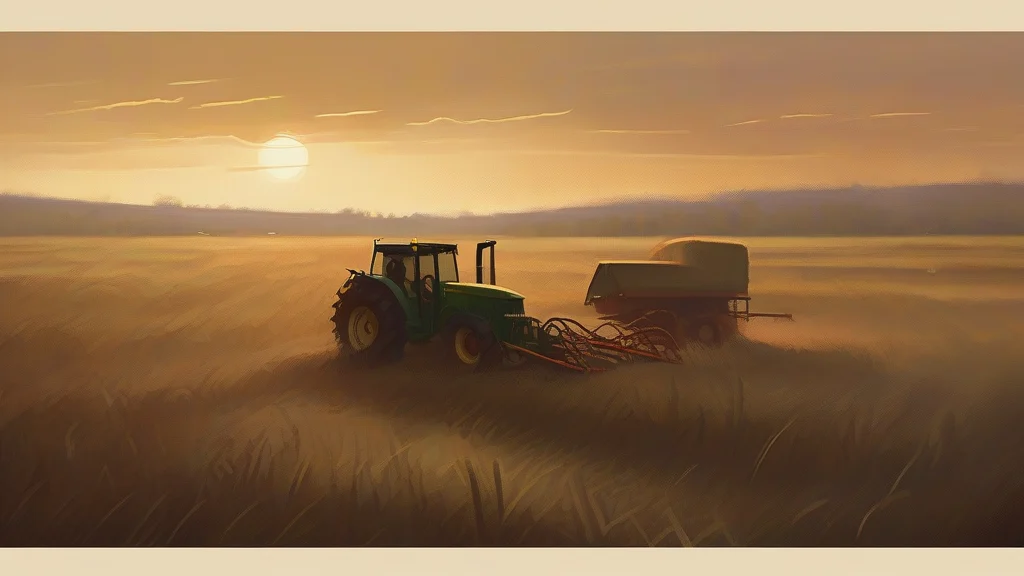
One misplaced 'e' separates a term of endearment from a woodland animal: for centuries, English writers spelled both ideas almost identically, and "deere" belonged firmly to love letters — until John Deere's plough made it famous for farming instead.
Reviewed by Deb Chak, Editor. AI-assisted content curated by RJS Tech Solutions LLP.
Etymology of deere
"Deere" descends from Old English "deore," meaning precious or costly, which in turn traces back through Proto-Germanic roots shared by cognates such as Dutch "duur" and German "teuer." The word originally carried strong connotations of high price before shifting toward emotional value — something dearly loved. The spelling with final -e was common in Middle and Early Modern English, alongside variants like "dere," before standardization favored "dear." The animal word "deer" comes from a different Old English root entirely.
Related word forms
How deere is actually used
This spelling belongs to Early Modern English and earlier; it is not used in modern writing except in quotations of historical texts, deliberate archaism, or the proper noun John Deere. Modern readers should write "dear."
Easily confused with deere
"Deer" is a living animal of the family Cervidae, while "deere" is merely an archaic spelling of "dear" meaning beloved or precious — the two are unrelated despite near-identical letters.