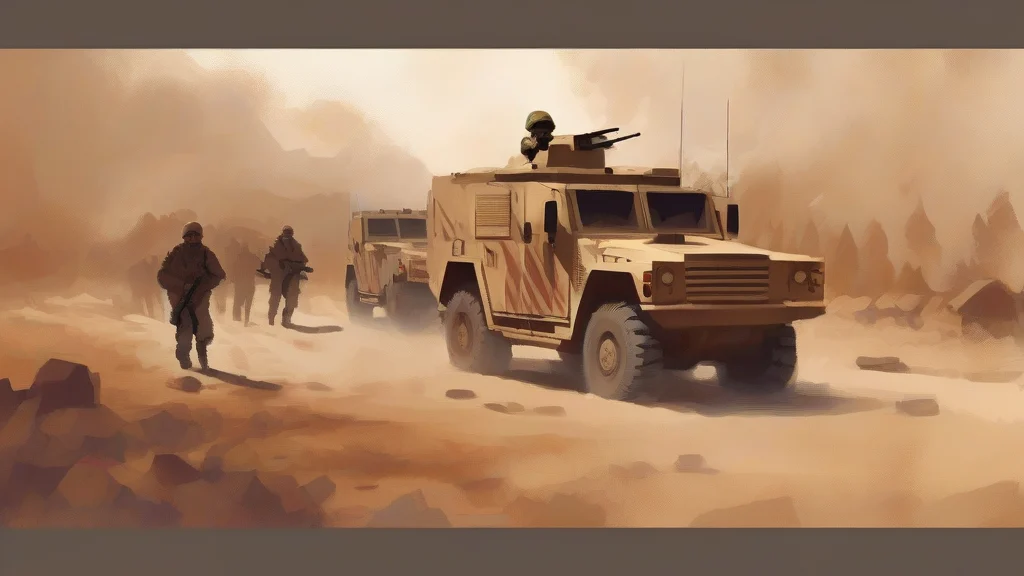
What does demobilize mean?
To demobilize means to take armed forces out of active service, either by discharging individual members back into civilian life or by formally disbanding military units once their mission is complete. The word is most closely associated with the aftermath of war: when hostilities end, governments must systematically demobilize millions of service members, a process involving discharge paperwork, benefits, and reintegration into civilian employment. By extension, demobilize can apply to any organized force or effort being wound down, such as volunteers released after a disaster response. It is the direct opposite of mobilize, which assembles forces for action. Formal in tone, the word appears chiefly in military, political, and journalistic writing, and it derives from French démobiliser, built on the Latin root mobilis meaning movable. Its noun form, demobilization, names the process itself.
verbTo demobilize is to release someone from military service, returning them to civilian life, or to disband and disperse armed forces or an organized group after it is no longer needed.
- (transitive) To release a member of the armed forces from service, especially at the end of a war.
- (transitive) To disband or disperse military forces, or by extension an organized body of people or resources, when they are no longer required.
"After the armistice was signed, the government moved quickly to demobilize its troops and bring them home."
"Hundreds of thousands of servicemen were demobilized in the months following V-E Day."
"Once the flood emergency had passed, the state began to demobilize the volunteer rescue teams."
The opposite of mobilizing for war isn't peace itself — it's the bureaucratic machinery of demobilization that actually brings soldiers home.
Reviewed by Deb Chak, Editor. AI-assisted content curated by RJS Tech Solutions LLP.
Etymology of demobilize
Demobilize comes from the French verb démobiliser, formed in the early 19th century around the time of the Napoleonic Wars, when mass armies first needed to be formally stood down on a large scale. The word combines the prefix de- (reversal) with mobilize, which traces back through French mobiliser to the Latin mobilis, meaning movable, from movere, to move. English adopted both mobilize and demobilize in this period, and they remain direct counterparts sharing the same Latin root with words like mobile and mobility.
Related word forms
How demobilize is actually used
Demobilize is largely formal or official in register, appearing most often in military, governmental, and news contexts. In everyday speech, phrases like "released from service" are more common. British spelling sometimes appears as "demobilise." The word carries neutral to positive connotations, typically signaling the end of conflict or crisis.
Easily confused with demobilize
Mobilize means to assemble and prepare troops or resources for action, while demobilize means the opposite — to disperse them or release personnel from service.