What does demobilization mean?
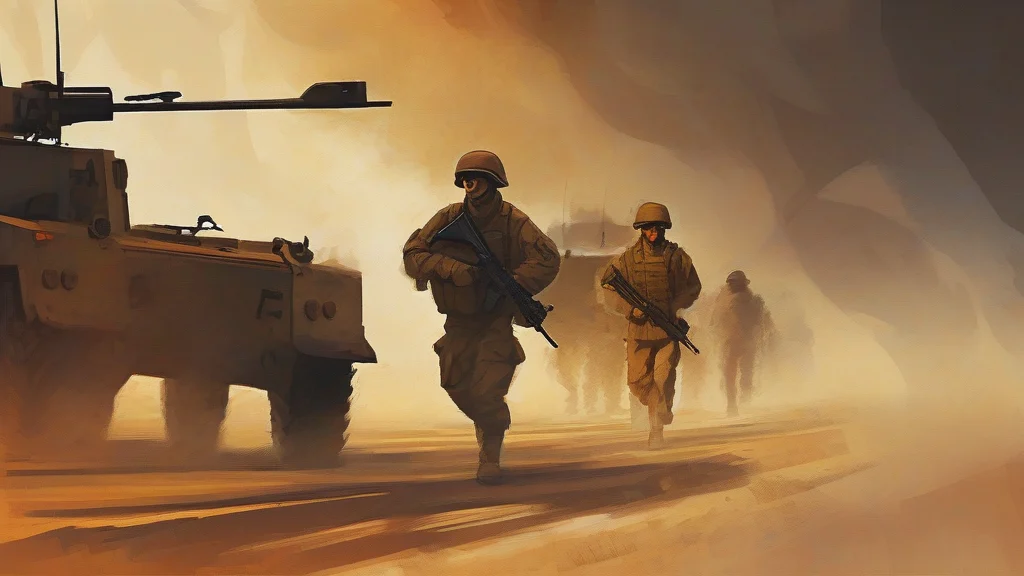
Demobilization refers to the process of standing down armed forces — discharging personnel, decommissioning equipment, and shifting from wartime to peacetime organization. It is most often discussed in military and historical contexts: after major conflicts such as the First and Second World Wars, governments faced the enormous logistical challenge of demobilizing millions of soldiers while absorbing them back into civilian employment. The word carries connotations of transition, relief, and sometimes upheaval, since rapid demobilization can strain housing markets and labor systems. Beyond the strictly military sphere, it is applied figuratively to the orderly winding-down of large campaigns, task forces, or workforces. Related terms include mobilization (its direct antonym), demobilize, and remobilization. Formal in register, demobilization appears mainly in news reporting, official documents, and academic writing on war, defense policy, and post-conflict recovery.
The act of disbanding troops or converting a nation's military from wartime to peacetime status.
"Rapid demobilization after the war left many veterans struggling to find work."
Also used figuratively for winding down non-military operations.
The termination or scaling-back of any large organized undertaking, such as an emergency response or industrial effort.
"The agency's demobilization plan phased out relief teams over six months."
Usually uncountable when referring to the general process; the plural is rare and used only to refer to multiple distinct instances or events.
"Historians have compared the demobilizations that followed both world wars."
After World War II, Britain demobilized over four million servicemen in just two years — using a clever points system that let soldiers count up their own release dates.
Reviewed by Deb Chak, Editor. AI-assisted content curated by RJS Tech Solutions LLP.
Etymology of demobilization
Demobilization derives from the verb 'demobilize', formed in the early nineteenth century from the prefix 'de-' (indicating reversal) plus 'mobilize'. The root goes back to Latin 'mobilis', meaning 'movable', itself from 'movere' ('to move'). 'Mobilize' entered English via French in connection with assembling military forces for action, so 'demobilize' naturally came to mean reversing that process. Cognates sharing the same Latin root include mobility, mobile, and automobile.
Related word forms
How demobilization is actually used
Formal register, used chiefly in military, historical, political, and organizational contexts. In British English the spelling 'demobilisation' is also standard. The verb form is 'demobilize' (US) / 'demobilise' (UK).
Easily confused with demobilization
Immobilization means rendering something unable to move; demobilization means disbanding military forces or standing down an operation.