
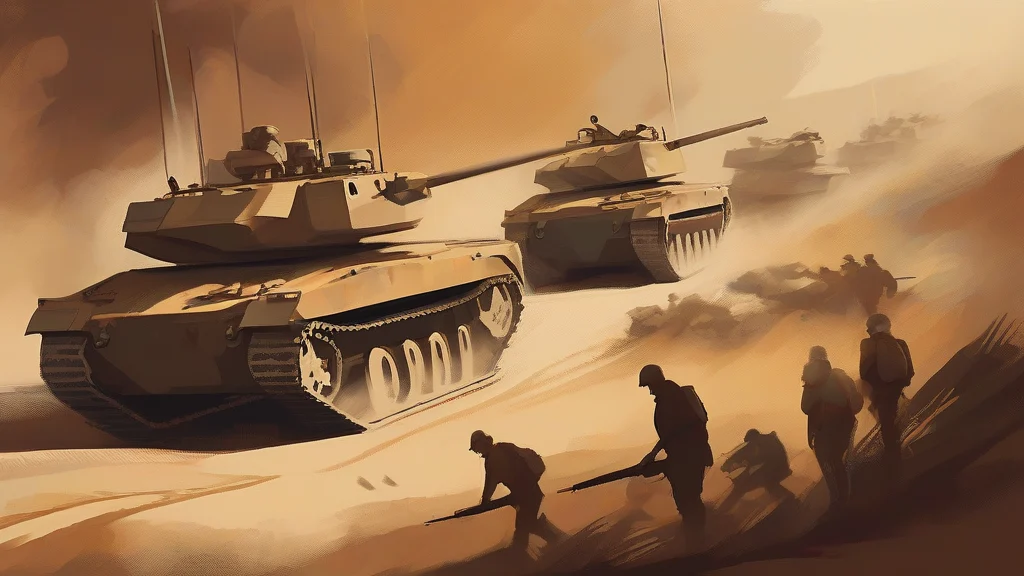
What does mobilization mean?
Mobilization is the organized process of bringing people, resources, institutions, or military forces into action. It describes more than a simple gathering: mobilization normally implies preparation, coordination, and the ability to respond effectively to a requirement or objective. Governments use the term when mobilizing reserves, emergency services, public agencies, or economic resources. Militarily, it refers to assembling and preparing troops and equipment for active service, often during war or a period of heightened tension. In political and social contexts, mobilization means bringing supporters or participants together around a cause or campaign. The word is related to “mobilize,” from which its British spelling “mobilisation” also differs by the standard use of “-ise” rather than “-ize.”
nounThe process of organizing people, resources, or institutions so that they can act effectively, especially in response to a major event or crisis. In a military context, it refers to assembling and preparing forces for active service.
- The process of organizing or assembling people, resources, or institutions for effective action.
- The process of preparing and assembling military forces for active service.
- The act of bringing people or organizations into active support for a cause, campaign, or political objective.
"The rapid mobilization of emergency crews helped the government respond to the floods."
"The mobilization of local volunteers was crucial to distributing food after the storm."
"The government announced the mobilization of additional troops as tensions along the border increased."
Plural forms are used for distinct mobilization efforts, as in “three separate mobilizations of volunteers.” In the British spelling system, the usual plural is “mobilisations.”
"The organization coordinated several mobilizations of volunteers during the crisis."
Reviewed by Deb Chak, Editor. AI-assisted content curated by RJS Tech Solutions LLP.
Where does mobilization come from?
“Mobilization” entered English in the early nineteenth century from French “mobilisation.” The French word was formed from “mobiliser,” meaning to make ready for action or to set in motion, ultimately deriving from Latin “mobilis,” meaning movable or easily moved. The same Latin root produced cognates including “mobile,” “mobility,” and “mobilize,” while “demobilize” was formed later with the opposite sense of releasing forces from active service.
How mobilization is actually used
The word is common in military, governmental, and political contexts. It often suggests a coordinated response to a crisis or an organized effort to place people and resources into action; in social and political contexts, it may carry a more political or adversarial connotation.