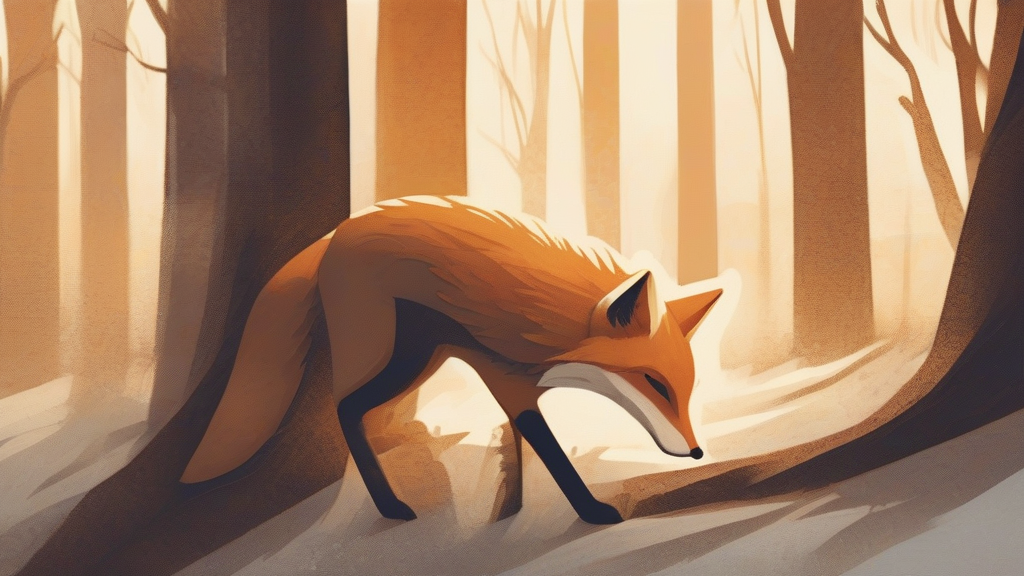
What does denning mean?
Denning is the present participle of the verb 'to den', meaning to live, shelter, or hole up in a den. Its dominant modern use is in wildlife biology and nature writing, where it describes animals — above all bears — taking up residence in a winter den to sleep through the cold months. Researchers speak of denning sites, denning seasons, and denning behavior when tracking how and where animals settle in. A secondary, more literary sense refers to a person retiring to a private room, study, or hideout, as in 'he spent the evening denning in his library'. The word derives from Old English 'denn', meaning a lair or cave, and carries connotations of seclusion, retreat, and self-protection. Though uncommon in casual conversation, it is precise and evocative wherever animals or people withdraw into sheltered spaces.
verb (present participle and gerund)The present participle of the verb 'den': to live or shelter in a den, or to retire to a secluded room or hideout.
- Of an animal, especially a bear: to occupy or take refuge in a den, typically for the winter.
- To retire to or shut oneself up in a private room, study, or hideout.
"Black bears spend the autumn feeding heavily before denning for the winter."
"The sow began denning beneath the fallen spruce in late October."
"After dinner he was denning upstairs in his study, refusing to be disturbed."
Wildlife biologists track bears by radio collar all summer just to learn where they'll be denning come winter — one of the best-kept secrets in the forest.
Reviewed by Deb Chak, Editor. AI-assisted content curated by RJS Tech Solutions LLP.
Etymology of denning
Denning comes from the verb 'den', which derives from Old English 'denn', meaning a lair, cave, or wild beast's resting place. The noun has Germanic roots and has been part of English since its earliest recorded stages, with the verb form developing later to describe both animal and human retreat into such spaces. The -ing participle follows the standard Modern English pattern and appears most frequently in naturalist and hunting literature from the eighteenth century onward, particularly in accounts of bear hunting and, later, scientific wildlife studies.
Related word forms
How denning is actually used
Most common in wildlife biology and nature writing, where 'denning' describes where and when bears and other animals hole up for winter. In everyday speech the second sense ('retiring to a den') is rare and slightly old-fashioned or literary.
Easily confused with denning
'Dinning' means making a loud, persistent noise (from 'din'), while 'denning' refers to living or sheltering in a den.