What does den mean?
A den is primarily the lair or shelter of a wild animal — the spot where a fox, bear, or lion sleeps, raises its young, and takes refuge. By extension, the word came to describe any secluded retreat, including a person's private hideaway. In North American usage especially, a den also means a small, informal room in a home, used for reading, watching television, or casual work — a space defined more by comfort than formality. A further, figurative sense describes a place associated with disreputable activity, as in 'a den of thieves' or 'a den of iniquity', where the connotation is distinctly negative. The word traces back to Old English and has been in continuous use for over a millennium. Whether describing a badger's underground home or a family's coziest room, 'den' consistently evokes seclusion, shelter, and a certain intimacy of space.
A wild animal's lair or resting place.
"We found a badger's den beneath the old oak roots."
Standard in both British and American English.
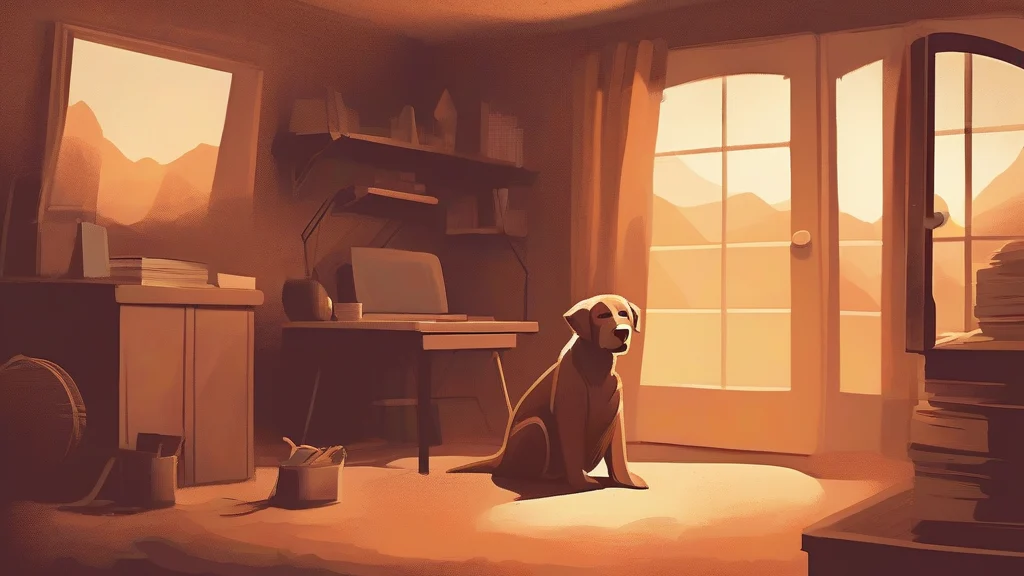
A small, comfortable room in a house used for informal activities such as reading or relaxing.
"The kids were watching cartoons in the den."
Chiefly North American.
A place associated with a disreputable or dangerous activity.
"That part of town was notorious as a den of vice."
Almost always figurative, often in fixed phrases like 'den of iniquity'.
Regular plural formed by adding -s.
"The hillside was riddled with rabbit dens."
Before it meant your comfy TV room, a den was literally where the wolves and bears lived — the word is over a thousand years old.
Reviewed by Deb Chak, Editor. AI-assisted content curated by RJS Tech Solutions LLP.
Etymology of den
Den comes from the Old English 'denn', meaning a lair or cave for wild animals, and has been used in English since before the Norman Conquest. Its further prehistoric origins are uncertain, so no secure cognates can be confidently identified in other languages. Over the centuries its meaning broadened from an animal's lair to include human retreats — first hideouts, then the comfortable domestic room familiar in modern North American homes.
How den is actually used
Informal to neutral in register. The animal-lair sense is standard in both British and American English; the domestic-room sense ('the den') is chiefly North American, where British English would more likely say 'study' or 'snug'. The figurative 'den of iniquity' sense carries a strongly negative connotation.
Easily confused with den
A 'den' is a lair or cozy room, while a 'din' is a loud, unpleasant continuous noise.