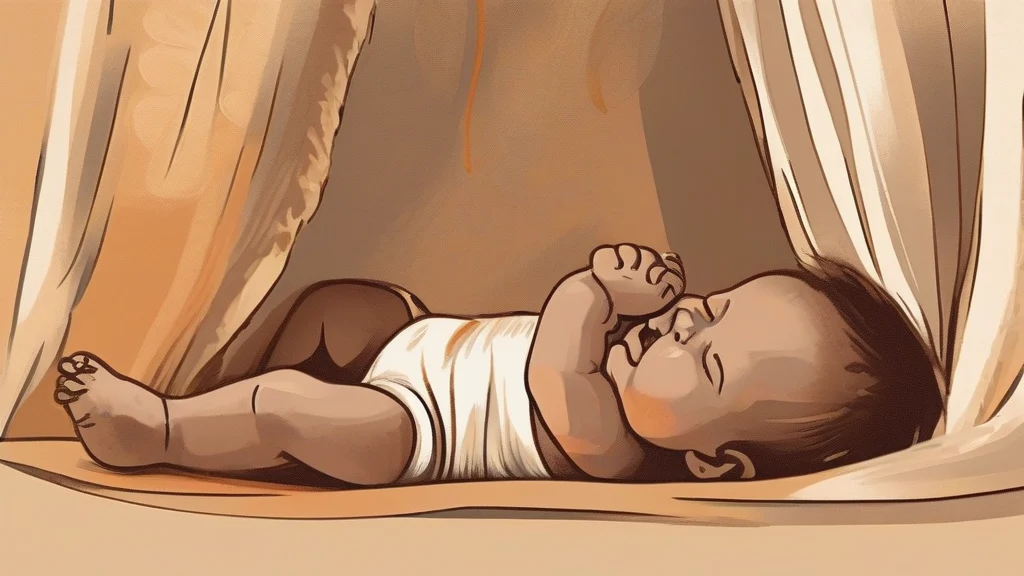
What does diapering mean?
"Diapering" is a noun formed from the verb "to diaper," meaning the act of putting a diaper on a baby and attending to the routine hygiene that comes with it. In modern usage, especially in the United States and Canada, it belongs to the everyday vocabulary of parenting: one speaks of a diapering station, diapering supplies, or the sheer frequency of diapering in a newborn's first year. British English prefers "nappy changing," making "diapering" a distinctly North American term. The word has a second, older life in textiles, where diapering refers to weaving fabric in a repeating diamond or lozenge pattern — a technique used historically for linen, ecclesiastical vestments, and decorative stonework. This sense survives mainly among historians, weavers, and architects, but it explains the word's origin: "diaper" comes through Old French from a Greek root describing a shining white fabric. Whether applied to babies or to cloth, diapering connotes something repetitive, practical, and intimate with daily life.
The act or process of putting a diaper on a baby and attending to related hygiene needs.
"New parents quickly develop an efficient routine for nighttime diapering."
The weaving or decoration of fabric or surfaces in a repeating diamond or lozenge pattern.
"The chapel's walls were adorned with diapering carved into the stone."
This sense is now chiefly historical or specialist, found in discussions of weaving and architecture.
Before disposable diapers, 'diaper' named a woven diamond-patterned cloth — the same word that gave us 'diapering' once described fine table linen.
Reviewed by Deb Chak, Editor. AI-assisted content curated by RJS Tech Solutions LLP.
Etymology of diapering
The word traces back to Middle English "diapre," borrowed from Old French, which took it from Medieval Latin "diasprum." That Latin term ultimately derives from Greek "diaspros," meaning white or brilliant, literally "thoroughly white." In medieval English, "diaper" first named a costly fabric woven with a diamond pattern, then the pattern itself, and only later — by the late 16th century — the absorbent cloth used for infants, from which the verb "diaper" and its gerund "diapering" developed.
Related word forms
How diapering is actually used
In everyday American English, "diapering" almost always refers to infant care; British speakers would say "nappy changing" instead. The textile sense is now largely historical or specialist, encountered in discussions of weaving, heraldic ornament, and church vestments.