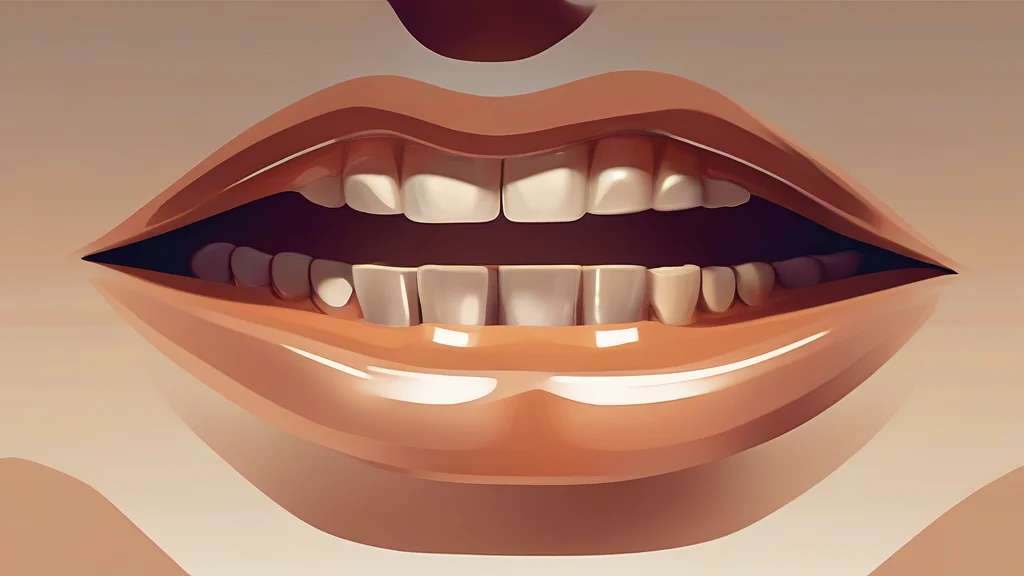
What does diastema mean?
A diastema is a space or gap between two teeth in the mouth, often caused by the loss of a tooth or the failure of teeth to erupt properly. This condition can be caused by a variety of factors, including genetics, tooth loss, or the failure of teeth to erupt properly. Diastema can be treated with orthodontic appliances or other dental procedures. In some cases, diastema may be a normal variation in the alignment of the teeth. However, in other cases, it can be a sign of a more serious underlying condition. Diastema is an important concept in dentistry and orthodontics, and understanding its causes and treatment options is crucial for maintaining good oral health. Diastema can be used in both formal and informal contexts, but it is more commonly used in medical or dental discussions. The word diastema has been used in medical and dental contexts for centuries, and its meaning has remained relatively consistent over time. Despite its importance in dentistry and orthodontics, diastema is not a commonly used word in everyday conversation. However, it is an essential term for dental professionals and patients who are interested in maintaining good oral health.
nounA diastema is a space or gap between two teeth in the mouth, often caused by the loss of a tooth or the failure of teeth to erupt properly.
- A space or gap between two teeth in the mouth.
"The dentist examined the patient's teeth and noticed a noticeable diastema between her two front teeth."
"The dentist examined the patient's teeth and noticed a noticeable diastema between her two front teeth."
"The orthodontist worked to close the diastema between the patient's teeth."
The plural form of diastema is used to refer to multiple spaces or gaps between teeth.
"The orthodontist worked to close the diastemas between the patient's teeth."
Reviewed by Deb Chak, Editor. AI-assisted content curated by RJS Tech Solutions LLP.
Etymology of diastema
The word diastema comes from the Greek word διαστήμα (diastēma), meaning 'space' or 'interval'. This word is derived from δια- (dia-), meaning 'through' or 'across', and στήμα (stēma), meaning 'space' or 'interval'. The word diastema has been used in medical and dental contexts for centuries, and its meaning has remained relatively consistent over time.
How diastema is actually used
Diastema can be used in both formal and informal contexts, but it is more commonly used in medical or dental discussions.