
What does dickie mean?
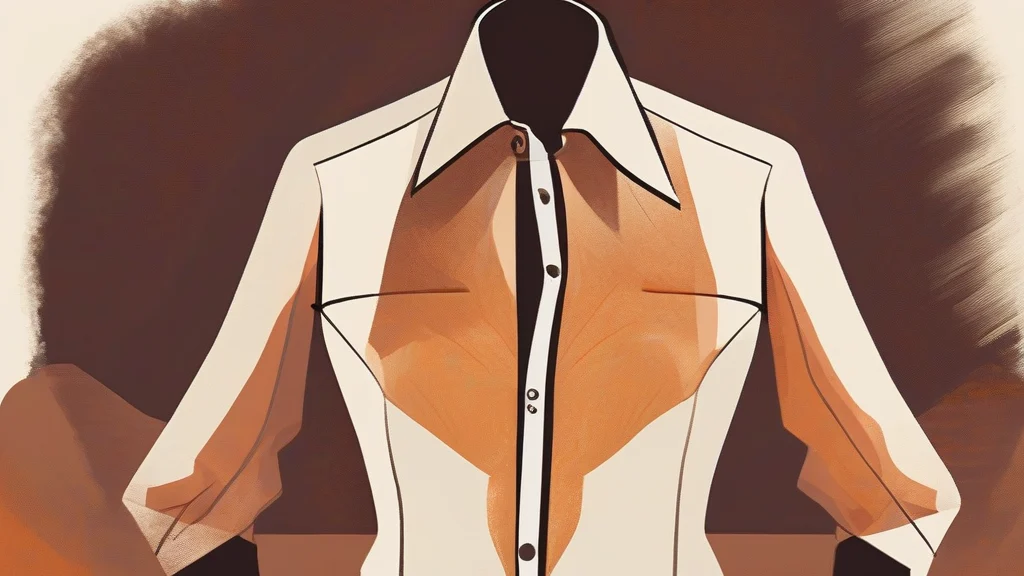
A dickie is a detachable substitute for the front of a dress shirt — typically a stiffened panel of fabric with an attached collar and sometimes buttons — worn beneath a jacket to give the impression of a full shirt while adding less bulk and requiring less laundering. It was once a staple of formal and semi-formal menswear, commonly paired with tuxedos and dinner jackets, and survives today chiefly in vintage fashion, uniforms, and theatrical costuming. A related sense describes a small ornamental collar worn by women at the neckline of a sweater or blouse. In older British usage, "dickie" could also mean the rear seat of an open carriage. The word is informal in tone and appears with two common spellings, "dickie" and "dickey"; its precise etymology is uncertain, though it likely arose from the pet form of the name Richard. For readers encountering it in period fiction or fashion history, it signals a bygone era of stiff-collared formal dress.
A detachable false shirt front or collar, worn under a jacket to simulate a full dress shirt.
"He tucked his bow tie into place over the starched white dickie."
Also spelled "dickey"; often heard in the phrase "tux and dickie."
A small decorative stand-up collar, especially one worn by women under or on a garment.
"The cardigan featured an attached lace dickie at the neckline."
(British, dated) The rear seat of an open horse-drawn carriage.
"The children rode in the dickie, wrapped in blankets against the cold."
Now largely historical.
Regular plural; used when referring to multiple garments or carriage seats.
"The costume shop kept a drawer full of spare dickies for the chorus."
The dickie let men fake a whole dress shirt while owning only a few inches of starched fabric.
Reviewed by Deb Chak, Editor. AI-assisted content curated by RJS Tech Solutions LLP.
Where does dickie come from?
The origin of "dickie" is not firmly established. It most plausibly derives from "Dick", the familiar pet form of the name Richard, which has long been used generically in English slang; the word emerged as a colloquial term, probably in the 19th century, for the detachable shirt front. An extended sense referring to the back seat of a carriage developed in British dialect. Cognate formations from the same nickname include "dickybird".
How dickie is actually used
The spelling varies between "dickie" and "dickey", with neither being definitively standard. In modern American English the word sounds somewhat old-fashioned, associated with mid-20th-century formal wear; contemporary fashion writing may simply say "detachable collar." The carriage sense is now essentially historical.
Easily confused with dickie
"Dickey" is merely the most common alternative spelling of the same word — both refer to a detachable shirt front — so any difference is one of spelling convention rather than meaning.