
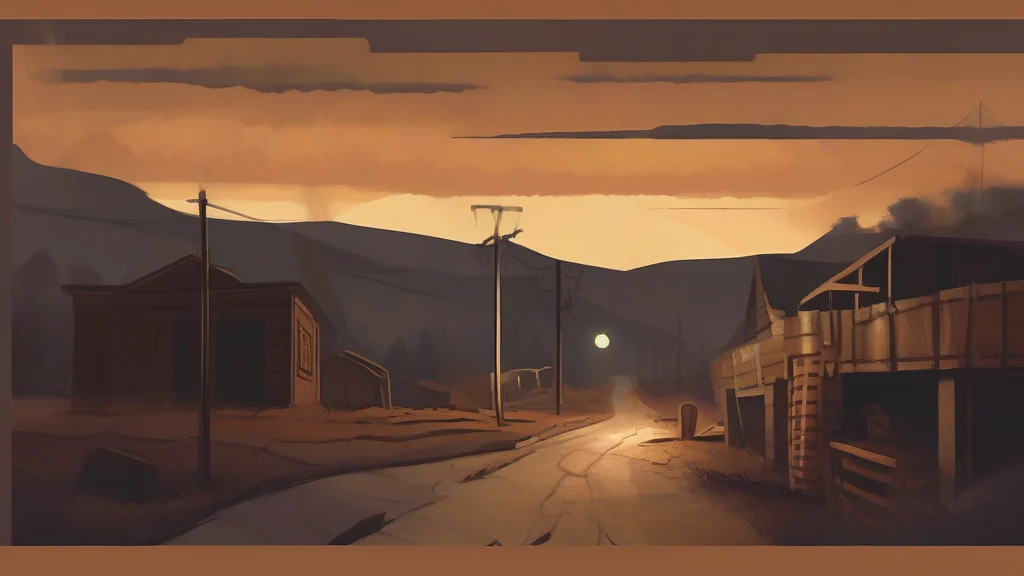
What does dingiest mean?
Dingiest is the superlative adjective form of 'dingy', describing the most grimy, faded, or shabby state that something can have. It typically applies to places and objects—rooms, buildings, streets, fabrics—that have grown dark and disreputable through dirt, smoke, damp, or simple neglect. Calling a café the dingiest in town conjures stained walls, murky light, and an atmosphere long past its prime. The word carries a distinctly negative connotation and leans toward informal or literary registers, appearing often in fiction, journalism, and evocative travel writing rather than technical prose. Its comparative form is 'dingier' and its noun form is 'dinginess'. Because it paints a vivid picture of decay and gloom in just two syllables, 'dingiest' remains a useful word for writers who want to convey atmosphere economically: one adjective can transform a mundane location into somewhere unmistakably down-at-heel.
adjective (superlative form)Dingiest is the superlative of 'dingy', meaning the most dark, drab, shabby, or grimy in appearance.
- Most dark and dirty from age, smoke, or grime.
- Most dull, drab, or shabby-looking.
"The back room of the shop was the dingiest space she had ever seen, its windows blackened with decades of soot."
"The hotel lobby was the dingiest he had ever encountered, with threadbare carpet and yellowed wallpaper."
"Even on a sunny day, the alley remained the dingiest spot in the neighborhood."
Despite sounding like a cartoon character's name, 'dingiest' has graced descriptions of everything from Victorian slums to the seediest corners of noir fiction.
Reviewed by Deb Chak, Editor. AI-assisted content curated by RJS Tech Solutions LLP.
Etymology of dingiest
Dingiest derives from 'dingy', an English adjective attested from the mid-eighteenth century whose ultimate origin is uncertain; it may relate to dialectal words for dun-colored or dirty. The superlative suffix '-est' follows standard English formation, alongside the comparative 'dingier'. No widely accepted cognates from other languages are firmly established due to the word's obscure roots.
Related word forms
How dingiest is actually used
Informal to neutral register; often used in descriptive or literary writing to evoke neglect, poverty, or gloom.
Easily confused with dingiest
A dingo is a wild Australian dog, whereas dingiest describes something shabby or grimy.
A dinghy is a small boat, while dingiest is the superlative of dingy.