
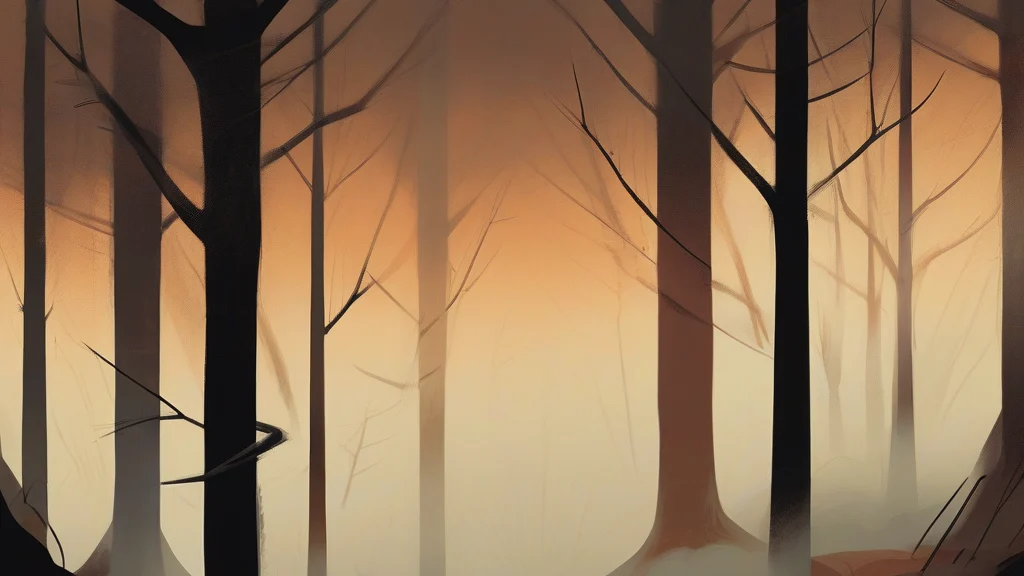
What does murkiest mean?
“Murkiest” is the superlative of “murky” and describes something that is darker, cloudier, or more obscured than something else. It is often used for water or air filled with suspended material, as in “the river was at its murkiest,” but it can also describe an atmosphere, a landscape, or an idea that is exceptionally obscure or confusing. The word carries a strong visual association with dimness, mud, fog, and limited visibility, giving figurative uses an atmosphere of secrecy or lack of clarity. Because it is a superlative, “murkiest” normally expresses the greatest degree among two or more things, though it may also appear in an absolute construction such as “at its murkiest.” It is useful when precision matters, since it distinguishes the most extreme state of obscurity, darkness, or confusion rather than merely identifying something as murky.
adjectiveThe superlative of murky: darkest or most obscured by murk; most obscure, confusing, or difficult to understand.
- Dark, cloudy, or obscured by murk.
- Very obscure, confusing, or difficult to understand.
"The lake was at its murkiest after weeks of heavy rain."
"Visibility was at its murkiest before the fog lifted."
"The committee’s report was the murkiest document she had ever encountered."
From the blackness of muddy water to the obscurity of a complicated explanation, “murkiest” captures whatever has reached the ultimate limit of gloom or confusion.
Reviewed by Deb Chak, Editor. AI-assisted content curated by RJS Tech Solutions LLP.
Etymology of murkiest
The word comes from “murk,” a noun meaning gloom, darkness, or muddy water, with “murky” formed as an adjective from it. The ancestry of “murk” is uncertain, although it is probably related to forms such as Scots “murk” and archaic English “mirk” or “mirky.” The development of the superlative ending in “-iest” is regular in English and produces the modern form “murkiest.”
Related word forms
How murkiest is actually used
The comparative is “murkier,” and the adverb is “murkily.” The figurative sense—meaning unclear, confusing, or obscure—is common in formal and informal English.
Easily confused with murkiest
“Murky” is the base adjective, while “murkiest” is its superlative form and therefore requires a comparison or a context indicating the greatest degree of murkiness.