What does dino mean?
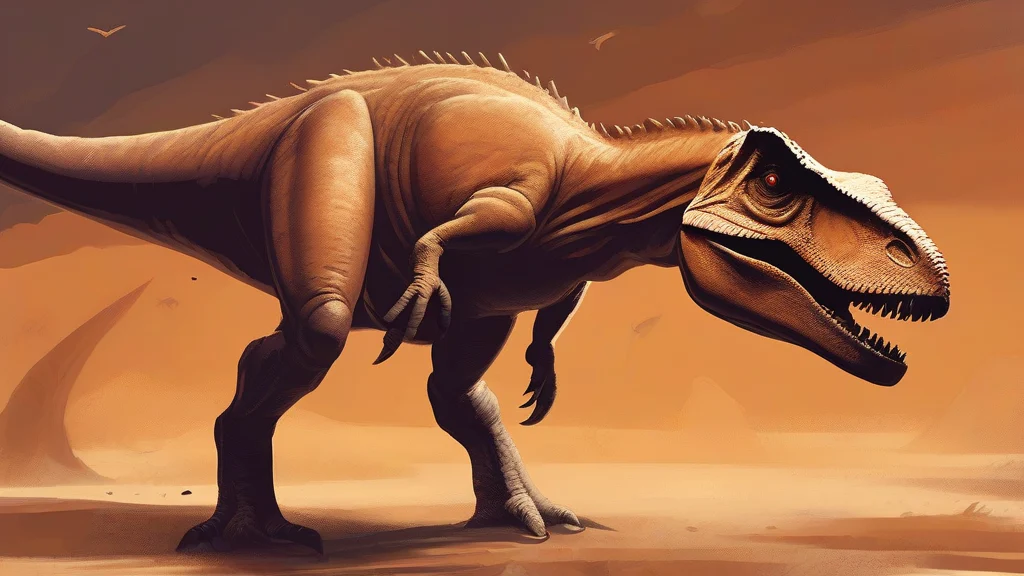
"Dino" is an informal, affectionate shortening of "dinosaur," the term for the large extinct reptiles that dominated life on Earth for over 160 million years before disappearing roughly 66 million years ago. Because it is clipped, casual, and easy for children to say, it appears constantly in everyday speech, picture books, toys, museum exhibits, and brand names rather than in scientific literature, where the full term is preferred. The word also carries a figurative sense: calling someone or something a dino suggests it is a relic — charming perhaps, but badly out of step with modern times, much like calling it a fossil. This playful register gives the word warmth and immediacy that its formal counterpart lacks. Whether describing a T. rex skeleton that delights schoolchildren or a hopelessly obsolete business practice, dino conveys its meaning with brevity and a touch of humor, making it a useful and enduring piece of informal English vocabulary.
nounAn informal shortening of "dinosaur," referring to any of the extinct reptiles that lived millions of years ago, or, figuratively, a person or thing that is hopelessly outdated.
- Informal short form of "dinosaur": any of the various extinct reptiles of the Mesozoic era.
- Figuratively, a person, idea, or thing that is antiquated or unable to adapt to change.
"The kids at the museum were thrilled to see a life-sized dino skeleton towering overhead."
"My nephew can name every dino from the Cretaceous period."
"He called the company's filing system a total dino."
Regular plural formation; standard in informal contexts.
"The toy store's shelves were lined with plastic dinos."
"Dino" is one of the few words kids learn before they can even tie their shoes — and it's just a friendly nickname for creatures that died out 66 million years ago.
Reviewed by Deb Chak, Editor. AI-assisted content curated by RJS Tech Solutions LLP.
Etymology of dino
Dino arose as a colloquial clipping of "dinosaur," a word coined in the 1840s by British paleontologist Richard Owen from the Ancient Greek elements deinos ("terrible" or "fearfully great") and sauros ("lizard" or "reptile"). As a shortened form it emerged in informal English usage, particularly in the twentieth century as dinosaurs became fixtures of popular culture and children's education. It shares its ultimate origin with the adjective "dinosaurian."
Related word forms
How dino is actually used
"Dino" is distinctly informal and conversational; it is common in speech, children's media, and marketing, but would be replaced by "dinosaur" in formal or scientific writing.
Easily confused with dino
A diner is a small casual restaurant, while a dino is an informal term for a dinosaur.
As a standalone informal noun, dino means dinosaur; as a combining form in scientific names (from Greek deinos, 'terrible'), it carries the sense of fearsome, as in dinosaur itself.