What does disbark mean?
Disbark is a verb with two distinct meanings. Its older and better-known sense is to disembark — to leave a ship, boat, or aircraft and step onto land. A passenger might disbark at a port after a long crossing, just as sailors have done for centuries. The second sense, used chiefly in forestry and timber processing, means to strip the bark from a tree trunk or felled log before milling. Despite its clear meanings, disbark is not especially common in modern English; most writers prefer the synonymous disembark or debark when describing leaving a vessel, which gives disbark a slightly formal or literary tone. It should not be confused with disbar, the legal term for removing an attorney from practice, though the near-identical spelling makes that mix-up easy. With roots tying it to the maritime vocabulary of embarkation, disbark remains a precise, if somewhat old-fashioned, way to describe the moment of setting foot on solid ground again.
To disembark; to leave a ship or aircraft.
"Passengers began to disbark as soon as the gangway was lowered."
Now less common than disembark; often found in formal or older writing.
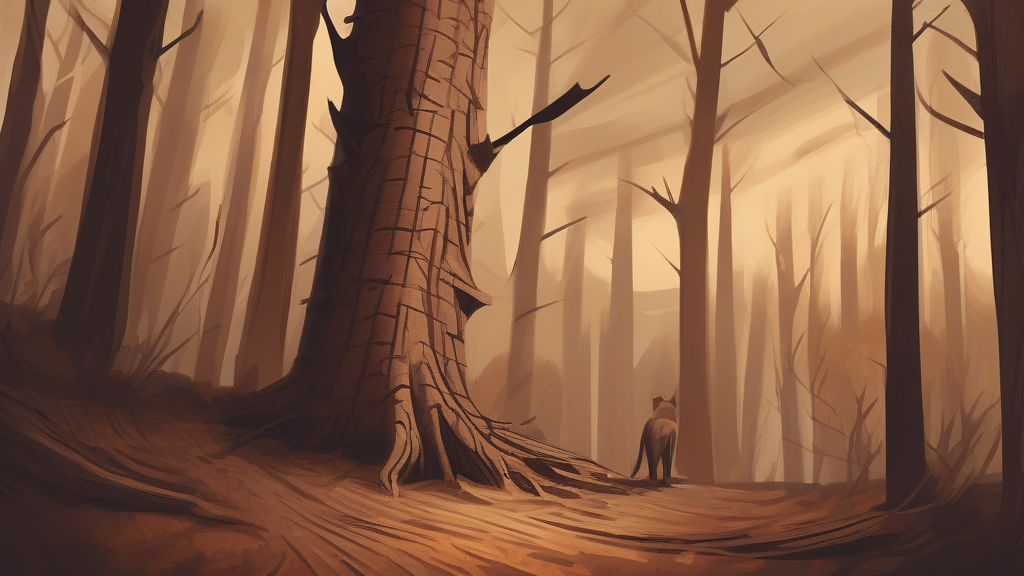
To strip the bark from a tree trunk or log.
"The timber was disbarked before being fed into the sawmill."
One word, two jobs: disbark can mean stepping off a ship — or peeling the ship's namesake bark right off a tree.
Reviewed by Deb Chak, Editor. AI-assisted content curated by RJS Tech Solutions LLP.
Etymology of disbark
Disbark derives from the prefix dis- (indicating reversal or removal) combined with bark, ultimately traceable to Late Latin barca, meaning a small ship or boat, via Old French barque. This same Latin root gives us embark and disembark, making them true cognates of disbark in its nautical sense. The bark-stripping sense instead draws on the other English word bark — the protective covering of a tree — whose origin is Old Norse bǫrkr. Thus the word's two meanings reflect two separate etymological lines that happen to converge in spelling.
How disbark is actually used
Disbark is relatively uncommon today; disembark and debark are the usual choices for leaving a vessel, so disbark can carry a slightly formal or dated flavor. The bark-stripping sense belongs mainly to technical forestry contexts.
Easily confused with disbark
To disbar is to expel a lawyer from the legal profession, whereas to disbark is either to disembark from a vessel or to strip bark from a tree.
Debark shares both of disbark's meanings (leaving a ship and stripping bark) and the two are largely interchangeable, though debark is the more common form in American usage.