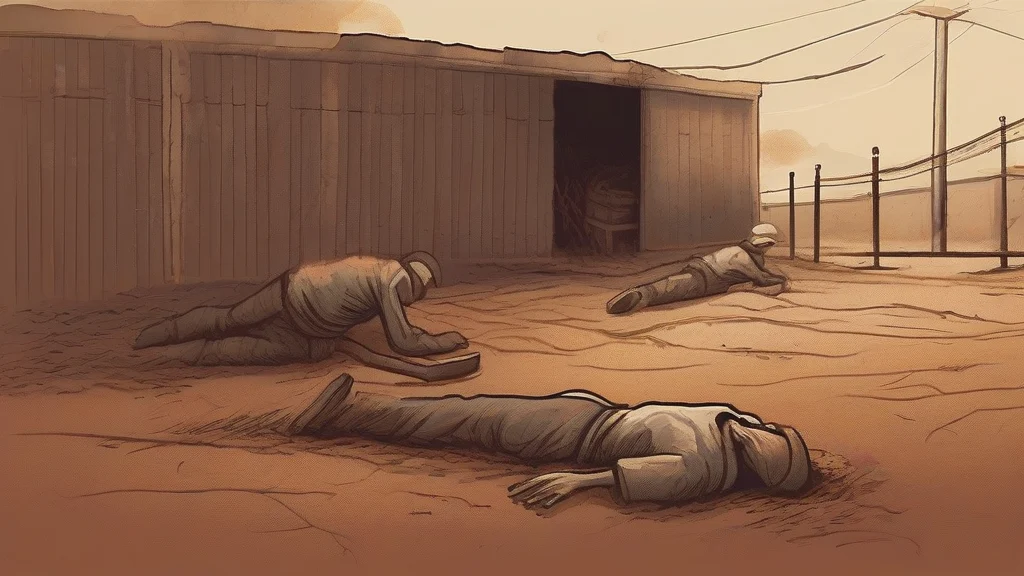
What does disinterment mean?
Disinterment is the act of digging up a body that has been buried, most commonly through a legal or official process. Courts may authorise disinterment when new evidence emerges — to identify remains, conduct forensic tests such as DNA analysis, investigate a suspicious death, or move a grave to a new location. The word derives from Latin roots: 'dis-' meaning apart or away, and 'interrare', to put into the ground. Its register is distinctly formal, appearing mainly in legal documents, journalism about exhumations, and historical writing, where everyday phrases like 'digging up' would sound too casual. Beyond the literal sense, disinterment can be used figuratively to describe reviving something long buried in obscurity — an old manuscript, a defunct policy, or a forgotten artistic style — often with a faintly critical implication that the thing should have stayed forgotten. Related terms include interment (burial) and exhumation, its closest synonym.
nounThe act of digging up or removing a dead body from the place where it has been buried, especially when done officially or legally. By extension, it can also refer to bringing something forgotten back into notice.
- The formal or legal act of removing a corpse from its grave or place of burial, typically for examination, identification, DNA testing, or reburial elsewhere.
- Figuratively, the revival or bringing to light of something long forgotten, such as an idea, work, or practice.
"The disinterment of the remains was ordered so that fresh DNA tests could be carried out."
"Following new evidence, the family petitioned for the disinterment of his remains from the churchyard."
"Critics dismissed the exhibition as little more than the disinterment of tired artistic fashions."
Usually uncountable when referring to the general process; the plural appears when referring to multiple individual instances or cases.
"Several disinterments took place at the cemetery before the redevelopment could begin."
A single court order for disinterment can reopen history — famous bodies from kings to poets have been dug up centuries later to settle questions about their identity, health, or even cause of death.
Reviewed by Deb Chak, Editor. AI-assisted content curated by RJS Tech Solutions LLP.
Etymology of disinterment
Disinterment was formed in English from the verb 'disinter', which combines the prefix 'dis-' (expressing reversal or removal) with 'inter', itself borrowed from Latin 'interrare', meaning to bury or put into the earth ('terra' being the Latin word for ground). The verb 'inter' entered English in the late Middle Ages, largely via French usage in burial contexts, and 'disinter' followed as its natural opposite. The noun 'disinterment' arose from this verb using the standard '-ment' suffix that forms nouns of action. Cognate formations sharing the same Latin root include interment, terrain, and territory.
Related word forms
How disinterment is actually used
Disinterment belongs chiefly to formal, legal, medical, and journalistic registers; in everyday speech people more often say 'dug up' or 'exhumed'. It carries a sombre, clinical connotation. The figurative use — reviving something forgotten — is comparatively rare and often mildly critical in tone.
Easily confused with disinterment
Internment means confinement or imprisonment without trial, while disinterment is the digging up of a buried body; they differ by one letter but are entirely unrelated in meaning.