
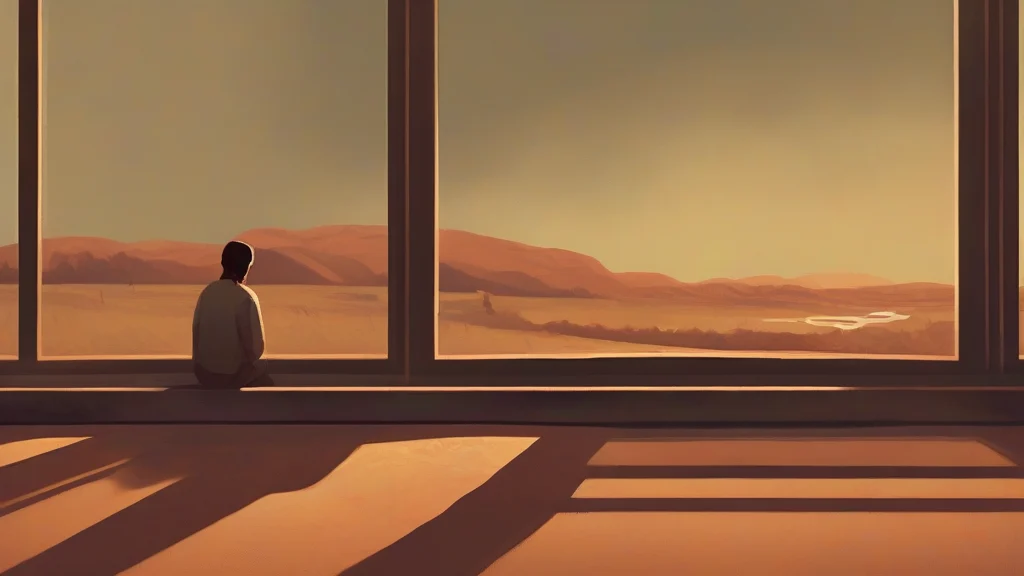
What does downheartedness mean?
Downheartedness is an uncommon English noun meaning sadness, dejection, or a settled state of low spirits. It describes a mood of discouragement and emotional heaviness, often following disappointment, defeat, hardship, or discouragement. The word is useful when the sadness being described is more serious or sustained than an ordinary momentary feeling, but it is not, by itself, a medical term for clinical depression. In literary and formal contexts, it can convey a sombre, reflective atmosphere, as when a writer examines the downheartedness caused by unemployment or personal loss. The related adjective downhearted describes someone or something that feels sad or dispirited. Downheartedness is more expressive and less common than sadness, dejection, or gloom, so it is especially appropriate in careful prose, literary analysis, and descriptions intended to emphasize the emotional quality of a situation.
nounThe state of being downhearted; sadness, dejection, or low spirits.
- The state of feeling sad, dispirited, or dejected.
"The team's defeat filled the dressing room with downheartedness."
"The team's defeat filled the dressing room with downheartedness."
"Her account captures the downheartedness of unemployment without melodrama."
Usually uncountable; plural forms are uncommon and generally unnecessary.
"She tried to conceal her downheartedness behind a reassuring smile."
Downheartedness gives a precise name to the emotional weight that follows disappointment, defeat, or discouragement.
Reviewed by Deb Chak, Editor. AI-assisted content curated by RJS Tech Solutions LLP.
Etymology of downheartedness
The word is an English formation built from down, heart, and the noun-forming suffix -ness. Its meaning developed from the idea of a lowered or troubled heart, with down contributing the sense of depression or reduced spirits. Related forms such as downhearted and heartedness preserve the same heart-based imagery, while words such as heartache belong to a broader family sharing the same root.
How downheartedness is actually used
Relatively uncommon and somewhat literary; it is more formal than the everyday word sadness and may suggest a sustained or deeply felt mood rather than a brief feeling of disappointment.
Easily confused with downheartedness
Downheartedness is the noun naming a sad or dejected state, whereas downhearted is the adjective describing a person or mood that feels sad or dispirited.