
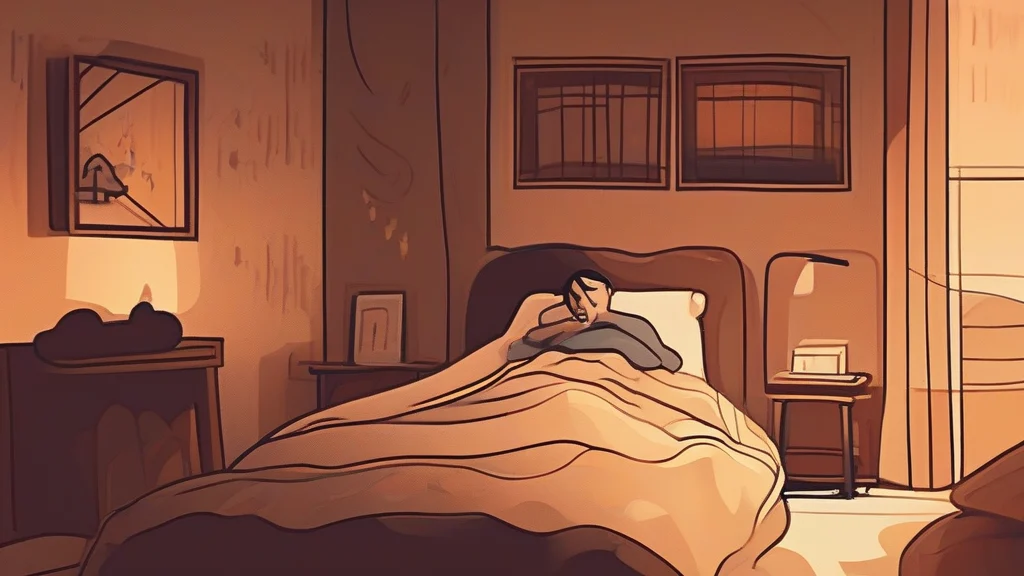
What does doziest mean?
Doziest is the superlative form of the informal adjective 'dozy,' describing someone or something at their most drowsy, sleepy, or half-asleep. A person at their doziest might be fighting to keep their eyes open during a warm afternoon lecture or nodding off in front of the television after dinner. The word can also be applied figuratively to places, towns, or stretches of time, suggesting a sluggish, slow-moving, or listless quality — a 'doziest' village street, for instance, would feel sleepy and unhurried. Informal in tone and more characteristic of British English than American usage, 'doziest' competes with near-synonyms like 'sleepiest' and 'drowsiest,' which are generally more common in everyday speech. Its origins reach back to Middle and early Modern English, when 'doze' emerged as a term for light, fitful sleeping. The word carries a gentle, mild connotation rather than a critical one, making it well suited to cozy or humorous descriptions of tiredness.
adjectiveDoziest is the superlative form of the adjective 'dozy,' meaning most drowsy or sleepy; inclined to doze or half-asleep.
- Most drowsy or sleepy; most inclined to doze.
- (Of a place, atmosphere, or activity) most dull, slow-moving, or lacking energy.
"By mid-afternoon, the doziest student in the lecture hall had quietly slipped into a nap."
"The doziest cat in the shelter spent the entire afternoon curled up on the warm windowsill."
"It was the doziest stretch of the road trip, that quiet hour after lunch when everyone in the car began nodding off."
'Dozy' likely grew out of an Old English verb meaning 'to be sluggish' — making 'doziest' one of English's oldest ways to call someone sleepy.
Reviewed by Deb Chak, Editor. AI-assisted content curated by RJS Tech Solutions LLP.
Etymology of doziest
Doziest is formed by adding the superlative suffix '-est' to 'dozy,' which derives from the verb 'doze.' The verb 'doze' appeared in English around the late sixteenth century, meaning to sleep lightly or fitfully; its further origin is uncertain, though it may be related to the Old Norse 'dusa' ('to doze'). The adjective 'dozy' followed soon afterward, first meaning inclined to doze and later extending to mean dull or slow-witted. Related forms include 'drowse' and 'drowsy,' which share a similar sense of half-sleep.
Related word forms
How doziest is actually used
Informal in register, and more common in British English than American English, where 'sleepiest' or 'drowsiest' are often preferred. When applied to places or activities rather than people, it takes on a figurative sense of sluggishness or torpor.
Easily confused with doziest
'Drowsiest' is the superlative of 'drowsy' and means essentially the same thing (most sleepy), while 'doziest' derives from 'dozy' and often carries a slightly more informal, British-flavored tone.