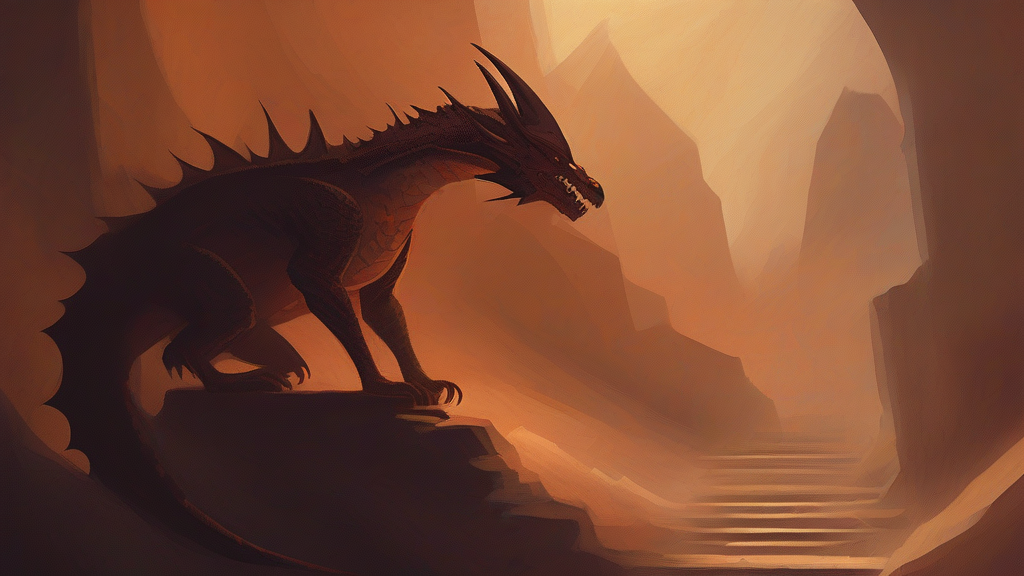
What does drac mean?
Drac is an informal, chiefly British word for the devil, used most often in folklore, regional speech, and older literature. It belongs to a family of expressions that soften or localize references to evil spirits, much like 'the deuce' or 'old Nick', and it can also be applied figuratively to a mischievous person — calling a troublesome child 'a little drac' carries more affection than condemnation. The word derives from Latin draco, meaning dragon, reflecting the long-standing association between dragons, serpents, and demonic forces in European tradition; it is thus related to words such as 'dragon' and 'draconian'. Today drac is uncommon in everyday conversation and may puzzle readers unfamiliar with dialect vocabulary, so it works best in historical fiction, folk tales, or deliberately archaic-flavoured writing. Its brevity and punchy consonant ending give it a vivid, slightly comic quality despite its sinister subject matter.
The devil; an evil spirit.
"Villagers blamed every lost lamb on the drac that haunted the old quarry."
Dialectal and literary; rarely used in modern standard English.
A mischievous or troublesome person (figurative).
"Don't mind him — he's just a cheeky little drac."
Informal and affectionate in tone when applied to people.
Regular plural; rare because the word itself is uncommon in modern usage.
"Old stories from the region are full of dracs lurking in hollows and churchyards."
Long before Dracula made 'drac' sound glamorous, English villagers were using it for the devil himself.
Reviewed by Deb Chak, Editor. AI-assisted content curated by RJS Tech Solutions LLP.
Etymology of drac
Drac comes from Latin draco, meaning dragon or serpent, which entered many European languages and often carried connotations of evil or the demonic. In English dialect use it came to denote the devil, paralleling similar developments in other languages where dragon imagery became attached to Satan. Its closest English relatives are 'dragon' and the adjective 'draconian', both ultimately from the same Latin root.
How drac is actually used
Chiefly found in regional British speech, folklore, and older literature; rare in modern standard usage and generally understood only in context.
Easily confused with drac
Dracula is Bram Stoker's fictional vampire count, whereas drac is an older dialect word for the devil itself.
A drake is a male duck (or an archaic word for a dragon), while drac refers to the devil.