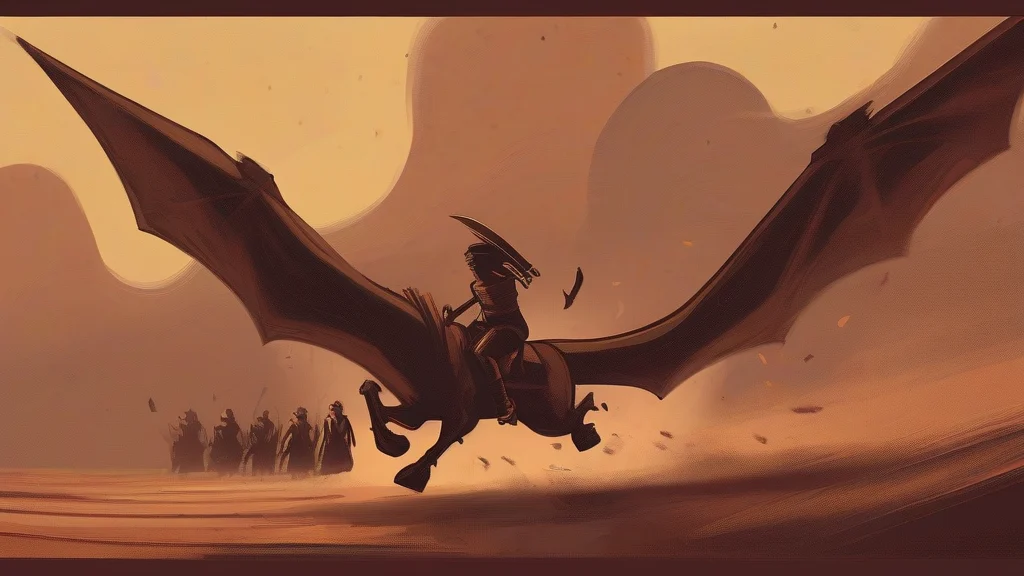
What does dragooning mean?
Dragooning is the act of coercing someone into doing something they would rather not do, typically through persistent pressure, bullying, or manipulation rather than open violence. It is the present participle of the verb 'to dragoon', which entered English in the seventeenth century from the name of the dragoons — mounted infantrymen named for their carbines, called dragons after the mythical fire-breathing beast. The verb arose because these troops were notorious for being quartered on civilians and used to intimidate them into compliance. Today the word is most often found in the fixed pattern 'dragooned into' doing something: a reluctant employee may be dragooned into organising the office party, or a nervous guest dragooned onto the dance floor. It always carries a disapproving tone, implying unfair pressure and a lack of genuine consent, which makes it a vivid alternative to blander terms like persuading or encouraging.
The action of coercing someone into an unwilling course of action.
"His dragooning of the junior staff into unpaid overtime did not go unnoticed."
Present participle of 'dragoon': to coerce someone into doing something against their will.
"They were dragooning the villagers into providing free labour for the estate."
It comes from 'dragoons' — 17th-century soldiers whose name literally derives from their muskets, nicknamed after fire-breathing dragons.
Reviewed by Deb Chak, Editor. AI-assisted content curated by RJS Tech Solutions LLP.
Etymology of dragooning
Dragooning derives from the verb 'dragoon', first recorded in English in the late seventeenth century. It comes from the noun 'dragoon', denoting a soldier of a European cavalry-infantry hybrid force, adopted from the French 'dragon'. The French word originally referred to the short musket these soldiers carried, so called because it seemed to breathe fire like the mythical dragon, ultimately from Latin 'draco'. Because dragoons were frequently used to coerce and punish civilians — most notoriously during the persecution of French Protestants — the verb came to mean forcing people into compliance.
Related word forms
How dragooning is actually used
Almost always used with 'into' plus a gerund ('dragooned into signing'). The verb carries a strongly negative connotation, implying that the person coerced has been treated unfairly or high-handedly. The historical military sense is now largely confined to historical writing.
Easily confused with dragooning
'Dragging' means pulling something along with effort or force, while 'dragooning' specifically means coercing a person into an unwanted action.