What does dram mean?
A dram is fundamentally a word about smallness: it names both a traditional unit of measurement—a tiny quantity of liquid equal to one-eighth of a fluid ounce, or of weight equal to sixty grains—and, more familiarly, a modest pour of spirits, especially whisky. In Scotland, offering someone a wee dram is a gesture of warmth and hospitality, and this convivial sense dominates everyday use today. The measurement senses survive mainly in apothecary tradition, where the spelling drachm distinguishes the weight unit from the fluid unit, and in historical references to the ancient Greek drachma coin, from which the word descends. Because it evokes fireside hospitality and careful sipping rather than heavy drinking, dram carries a cozy, slightly old-fashioned charm that makes it a favorite in writing about whisky and good company.
A small unit of fluid measure equal to one-eighth of a fluid ounce, formerly used in pharmacy.
"Add one dram of the elixir to each dose."
In pharmaceutical contexts this unit is often written 'fluidram' or spelled 'drachm' to avoid ambiguity.
A unit of weight in the apothecaries' system equal to sixty grains (approximately 3.89 grams).
"The old prescription specified two drams of the powdered compound."
This sense is now almost entirely historical or specialist.
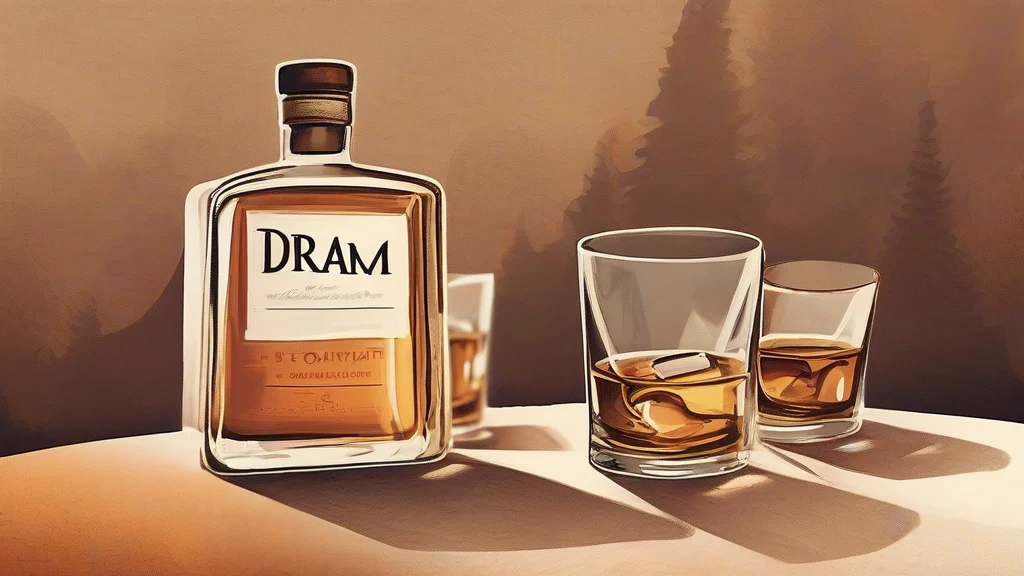
A small drink of spirits, especially whisky; figuratively, a very small amount of anything.
"They shared a dram by the hearth as the storm raged outside."
(Historical) A former Greek coin, the drachma, or any of various related coins once circulated in Europe and Asia.
"Merchants of the era traded goods priced in drams of silver."
Regular plural; also used attributively in phrases like 'dram shop' (often styled 'dramshop').
"He ordered two drams of malt whisky for the table."
That 'wee dram' of whisky you've been offered traces its name all the way back to an ancient Greek silver coin—the drachma.
Reviewed by Deb Chak, Editor. AI-assisted content curated by RJS Tech Solutions LLP.
Etymology of dram
The word dram entered English in the early fifteenth century from Old French dragme, which itself derived from Late Latin dragma, borrowed from Greek drachmē, meaning both the silver coin known as the drachma and the weight it represented. The Greek term was originally associated with a handful of coins or measures. Its modern senses as a unit of liquid and weight measure developed through apothecaries' usage, while the informal sense of a small drink of spirits became especially characteristic of Scottish English.
Related word forms
How dram is actually used
'Dram' is most common today in Scottish and British usage in reference to whisky, where it carries a warm, convivial connotation. The precise measurement senses are largely confined to pharmacy and historical contexts, where the spelling variant 'drachm' is often used to distinguish them.
Easily confused with dram
A dream is a series of thoughts or images experienced during sleep, while a dram is a small measure of liquid or a sip of spirits.