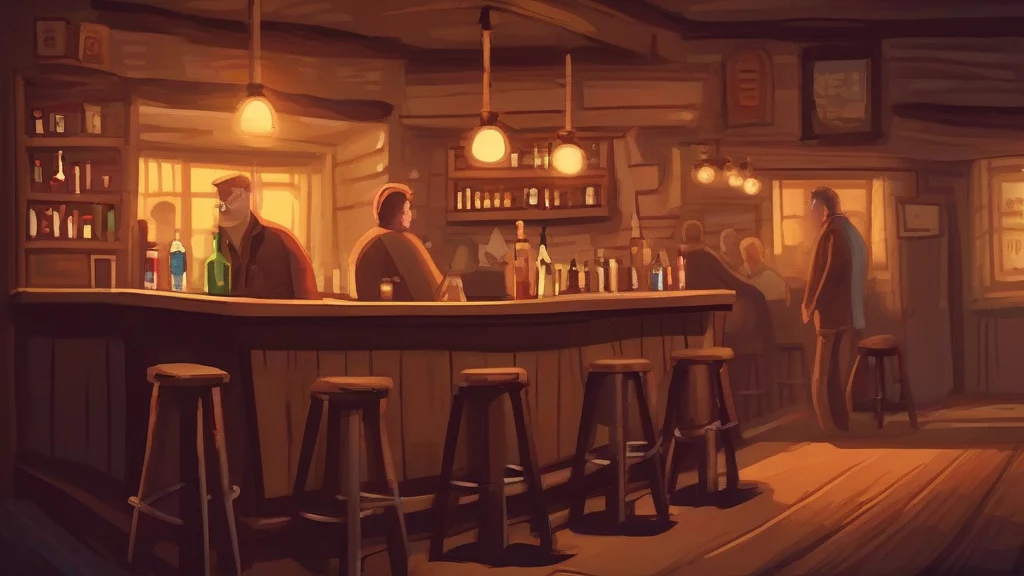
What does dramshop mean?
A dramshop is a tavern, saloon, or other establishment where alcoholic beverages are sold by the drink for consumption on the premises. The word dates from the eighteenth century and combines 'dram', an old term for a small measure or sip of spirits, with 'shop'. Though it survives in ordinary usage mainly as a slightly quaint or literary synonym for a bar or pub, it has taken on a second life in legal language, particularly in the United States. Many states have 'dramshop statutes' that make a bar or tavern financially liable when it serves alcohol to someone who is visibly intoxicated and that person later causes injury — most famously in drunk-driving cases. This makes 'dramshop liability' a familiar concept among personal-injury lawyers and insurers even though the word itself is rarely heard in casual conversation. For readers of older fiction, court reports, or social history, recognizing 'dramshop' unlocks a whole vocabulary of temperance-era America and Britain.
nounA tavern or bar where alcoholic liquor is sold by the drink. In legal contexts, especially in the United States, the term appears in 'dramshop laws', which hold such establishments liable for harm caused by intoxicated patrons.
- A bar, tavern, or public house where alcoholic drinks are sold to be consumed on the premises.
- (Law, chiefly US) In phrases like 'dramshop laws', a commercial establishment whose sale of alcohol creates civil liability for injuries caused by intoxicated customers.
"The plaintiff sued the downtown tavern under the state's dramshop statute after the accident."
"The old dramshop on the corner had been serving dockworkers since the 1890s."
"Under Illinois's Dramshop Act, the injured family recovered damages from the tavern that had over-served the driver."
Regular plural; used both for multiple establishments and in legal writing referring broadly to the class of licensed premises.
"The ordinance required all dramshops to close by midnight."
If a drunk driver leaves a bar and causes a crash, in many American states the bar itself can be sued — thanks to so-called 'dramshop' laws named after an old word for a cheap tavern.
Reviewed by Deb Chak, Editor. AI-assisted content curated by RJS Tech Solutions LLP.
Etymology of dramshop
The word 'dramshop' is an English compound formed from 'dram' plus 'shop', first attested in the early eighteenth century. 'Dram' itself derives from the ancient Greek 'drachmē', the name of both a coin and its weight, which passed into Latin as 'drachma' and then through Old French into English; by the seventeenth century it had come to mean a small measure of spirits, hence 'a dram' meaning a quick drink. The compound therefore literally means a shop that sells drinks by the dram, and its cousins include 'grogshop' and 'ginshop'. Its modern legal prominence comes from American dramshop acts of the nineteenth century, which established the liability doctrine still bearing the name today.
Related word forms
How dramshop is actually used
The word is somewhat dated or literary in everyday use, having largely been replaced by 'bar' or 'pub', but it remains very much alive as a fixed legal term in American jurisprudence ('dramshop liability', 'dramshop acts'). It carries no strong connotation of disrepute, though it can suggest an old-fashioned or downmarket drinking house.
Easily confused with dramshop
A drugstore is a shop selling medicines and toiletries, while a dramshop is a bar selling alcoholic drinks — the words share only a superficial sound resemblance.
A drachm is a unit of weight (or apothecaries' measure), one of the two elements from which 'dramshop' is formed, not a drinking establishment.