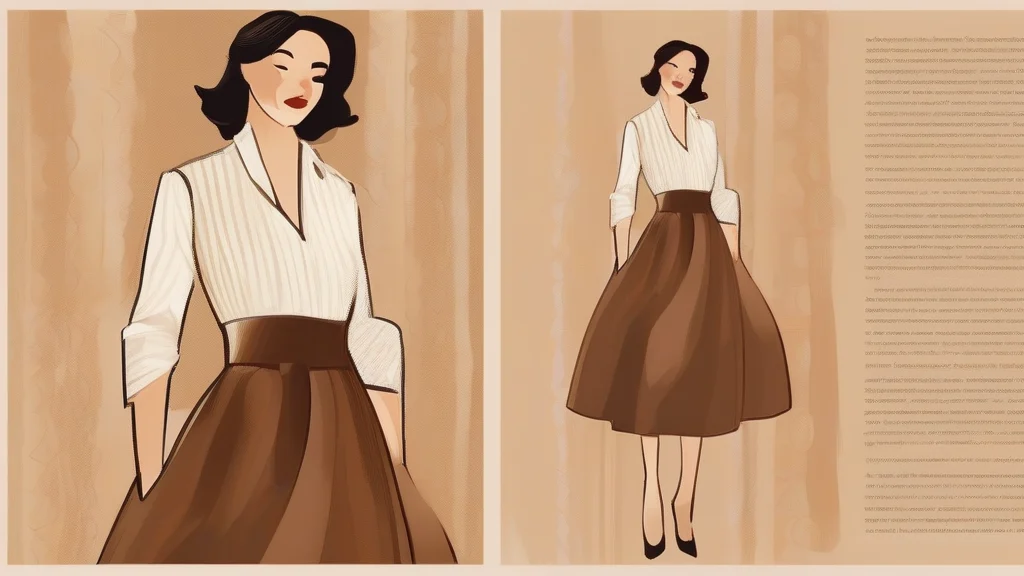
What does dressiness mean?
Dressiness is the noun formed from the adjective 'dressy', denoting the quality of being dressed in a stylish, elegant, or formally appropriate way. It describes both how people present themselves through clothing and how formal an occasion or venue expects attendees to be: a gala carries high dressiness, while a barbecue implies very little. The word is abstract and gradable — speakers speak of varying degrees of dressiness rather than its simple presence or absence — and it typically appears with qualifiers such as 'a touch of', 'effortless', or 'over-the-top'. Its register leans toward written commentary on fashion, weddings, restaurants, and social etiquette, though it is readily understood everywhere English is spoken. Useful precisely because no shorter word captures the idea, 'dressiness' lets writers discuss sartorial expectations without awkward circumlocution.
nounThe quality or state of being dressy; the degree to which clothing or an occasion is formal, stylish, or elegant in appearance.
- The quality of being dressy; stylishness or formality in dress.
- The degree of formality required or expected of attire at an occasion or venue.
"Her natural dressiness made even a casual brunch look like an event."
"The invitation's mention of 'cocktail attire' signalled a level of dressiness the guests took seriously."
"He misjudged the dressiness of the restaurant and arrived in jeans while everyone else wore jackets."
Virtually never pluralized; as an abstract quality noun it is used almost exclusively in the singular.
'Dressiness' is that invisible dial every event has — from beach-wedding to black-tie — and English finally gave it a name.
Reviewed by Deb Chak, Editor. AI-assisted content curated by RJS Tech Solutions LLP.
Etymology of dressiness
Dressiness is formed within English from the adjective 'dressy' plus the noun-forming suffix '-ness'. 'Dressy' itself derives from 'dress', which entered Middle English from Old French 'dresser' (to arrange, prepare), ultimately tracing back through Vulgar Latin to Latin 'directus', meaning straight or set right — the same Latin root behind 'direct' and 'correct'. The suffix '-ness' comes from Old English '-nes(s)', making dressiness a hybrid of Romance and Germanic elements assembled entirely in English.
Related word forms
How dressiness is actually used
An abstract noun, most often used with modifiers ('a hint of dressiness', 'low-key dressiness') rather than standing alone. It carries a mildly evaluative tone and appears mostly in writing about fashion, etiquette, and social occasions rather than everyday speech.
Easily confused with dressiness
Though they rhyme, 'business' means commercial activity or one's affairs, while 'dressiness' refers to the formality or stylishness of dress — they share no meaning.