
What does shabbiness mean?
Shabbiness is the condition or quality of being shabby. It most often describes worn or poorly maintained clothes, furnishings, rooms, or buildings, but it can also characterize cheap, mean, or careless treatment of people or matters. In physical use, the word evokes faded materials, neglect, and deterioration; in figurative use, it suggests something is cheap in quality or discreditable in manner. Because it names a recognizable kind of decay, “shabbiness” can be effective in literary criticism or social commentary, where its slightly formal tone adds an evaluative edge. The word also has an unusual history: it derives from “shabby,” a Yiddish loan traced to Hebrew and ultimately associated with “Sabbath.” Thus a common modern complaint about worn surroundings carries a trace of its religious and linguistic past. It remains useful because it captures both visible deterioration and the broader impression of neglect, cheapness, or moral meanness that such deterioration can suggest.
nounThe condition or quality of being shabby, especially of something worn, poorly made, or in poor repair; the shoddy or mean quality of conduct or treatment.
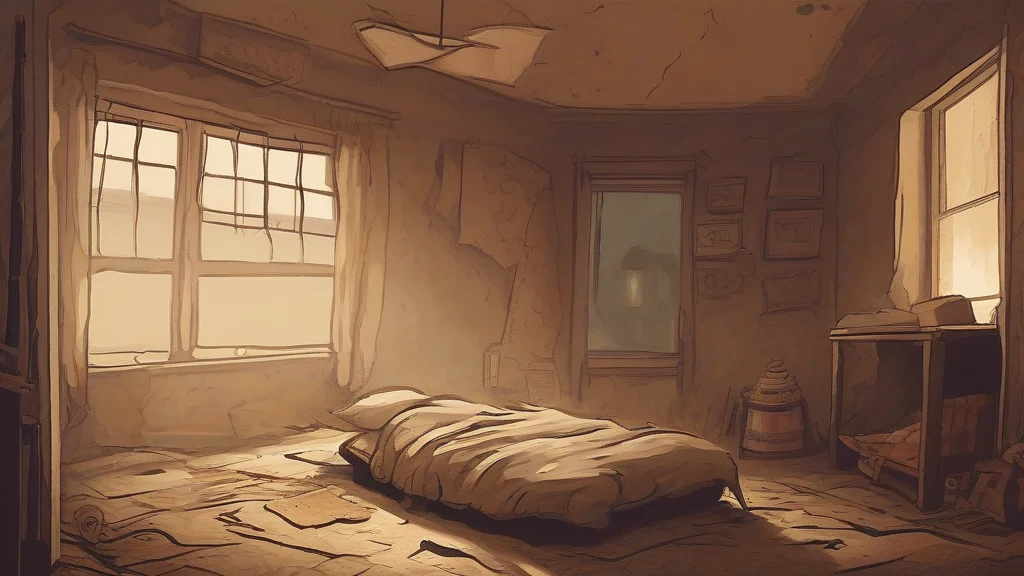
- The worn, poorly maintained, or poorly made condition of clothing, furnishings, rooms, buildings, or similar things.
- The cheap, mean, or discreditable quality of conduct, treatment, arrangements, or performance.
"What had once been an elegant hotel now exuded an air of shabbiness."
"The peeling wallpaper and threadbare carpets gave the room an unmistakable air of shabbiness."
"Officials condemned the shabbiness of the arrangements made for evacuees."
The plural is possible but rare; in ordinary use, shabbiness is treated as an uncountable noun.
"The critic noted the shabbiness of the old hotel without mentioning the building's history."
Shabby's unlikely journey from a Yiddish word for being worn out to our modern word for anything run-down carries the distant name of the Sabbath.
Reviewed by Deb Chak, Editor. AI-assisted content curated by RJS Tech Solutions LLP.
Where does shabbiness come from?
English formed the noun by adding the suffix “-ness” to “shabby.” Shabby entered English in the late sixteenth century from the Yiddish shabbi, meaning “worn out,” which is usually traced to Hebrew Shabbat, “Sabbath,” through the vocabulary of Jewish religious observance. The connection with Sabbath is etymological rather than semantic, and cognates such as Shabbat and shabbos preserve the same Hebrew source.
Related word forms
How shabbiness is actually used
The physical sense usually concerns clothing, furnishings, or buildings and connotes neglect, deterioration, or poor quality. Figuratively, it can describe treatment or conduct as mean, cheap, or discreditable. The tone is generally disapproving and somewhat more formal than simply saying that something is run-down.