
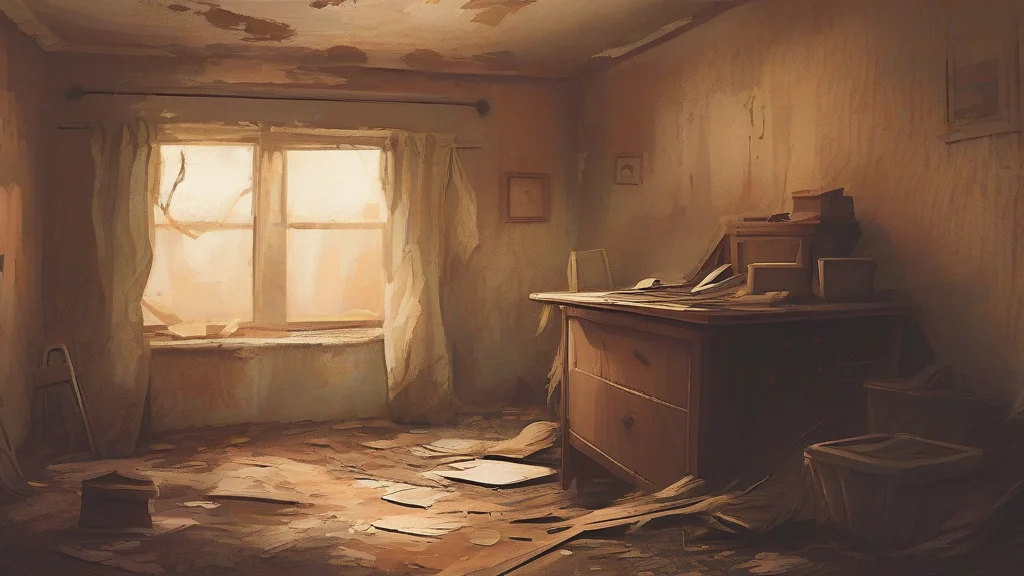
What does shabby mean?
Shabby describes something that is in poor condition because it is old, worn, neglected, or made with inferior materials. The word often suggests more than simple dirtiness: a shabby garment may be faded or threadbare, while a shabby building may appear poorly maintained. It can also criticize quality or conduct, as in "shabby workmanship" or "shabby treatment," meaning carelessness or disrespect. In descriptions of a person's appearance, "shabby" refers to unattractive, worn clothing and may carry a dismissive or unkind implication. Although the word is sometimes used casually to mean merely untidy, its standard sense is stronger and more specific. It is especially useful when the condition of something reflects neglect, inadequate resources, or inadequate care rather than simple aesthetic taste.
adjectiveIn poor condition, especially because of age, neglect, or cheap construction. It can also mean shoddy, unfair, or socially degrading.
- In poor condition, especially as a result of age, neglect, or hard use.
- Of quality or workmanship: cheap, careless, and poorly made.
- Of treatment or conduct: degrading, unfair, or unworthy of proper respect.
- Of a person's appearance: dressed in worn or unattractive clothing.
"The jacket looked shabby after years of daily wear."
"The old coat was clean but unmistakably shabby."
"The factory was condemned for its shoddy working conditions."
A place can be shabby without being dirty: the word often points to a shabby economy of materials, care, or respect.
Reviewed by Deb Chak, Editor. AI-assisted content curated by RJS Tech Solutions LLP.
Where does shabby come from?
The word appeared in the early 17th century, but its precise origin is not securely documented. Its earliest uses were generally unfavorable, describing something low or contemptible, and its modern sense developed through associations with worn clothing, poor conditions, and shoddy workmanship.
Related word forms
How shabby is actually used
The adjective is common in both British and American English. It may describe visible wear and neglect, but it can also convey moral or social judgment, especially in the expression "shabby treatment."
Easily confused with shabby
Shabby usually describes something visibly worn, neglected, or poorly maintained, whereas shoddy more often emphasizes poor quality or workmanship.