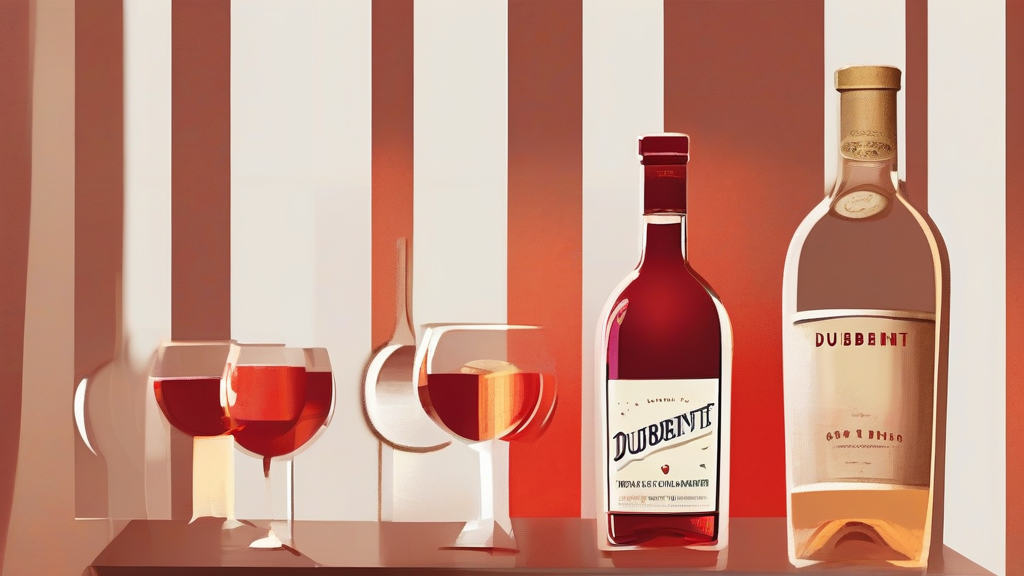
What does dubonnet mean?
Dubonnet is a proprietary name for a sweet, deep-red French aperitif made by blending fortified wine with quinine bark, herbs, spices, and citrus peel. First created in Paris in the nineteenth century as a palatable way to deliver quinine, it became popular both on its own, typically served chilled with lemon or ice, and as a mixer, most famously in the British 'Dubonnet and gin'. The word functions as a noun referring either to the drink itself or to a glass of it. Because it is a trademark, the term is capitalised in careful writing. In modern usage Dubonnet carries an air of tradition and refinement; it is associated with pre-dinner drinking, classic cocktails, and a certain old-world elegance, though it remains widely available today.
nounA sweet French aperitif made from fortified wine blended with herbs, spices, and quinine bark; it is a proprietary name for the product first produced by the Dubonnet brothers in Paris.
- The proprietary name for a sweet French aperitif made from fortified wine infused with quinine bark, herbs, and spices.
- By extension, any similar quinine-flavoured aperitif wine served in the style of Dubonnet.
"She ordered a glass of Dubonnet with a slice of lemon before dinner."
"The waiter brought a chilled glass of Dubonnet while they studied the menu."
"His favourite pre-dinner drink was a Dubonnet and gin over ice."
Rarely pluralised except when referring to multiple servings or bottles of the drink.
"They ordered two Dubonnets at the bar."
Queen Elizabeth II was famously devoted to her daily Dubonnet and gin — a drink she enjoyed at lunch for decades, making it one of the most quietly famous cocktails in Britain.
Reviewed by Deb Chak, Editor. AI-assisted content curated by RJS Tech Solutions LLP.
Etymology of dubonnet
Dubonnet takes its name from Joseph Dubonnet, the Parisian chemist who created the drink in the mid-nineteenth century as a way of making bitter quinine more palatable, particularly to soldiers serving overseas. The surname itself derives from the French elements bon, meaning 'good', ultimately from Latin bonus, combined with a diminutive suffix, so the name can be read loosely as 'the good little one'. The English word is thus a direct borrowing of a proper noun that came to denote the product itself.
How dubonnet is actually used
Dubonnet is a trademarked brand name and is normally capitalised. It is used chiefly in the context of drinks, cocktails, and aperitifs, and carries a somewhat classic or old-fashioned connotation in British culture.
Easily confused with dubonnet
Drambuie is a Scottish liqueur based on whisky, heather honey, and herbs, whereas Dubonnet is a French quinine-based aperitif wine.