What does dunnage mean?
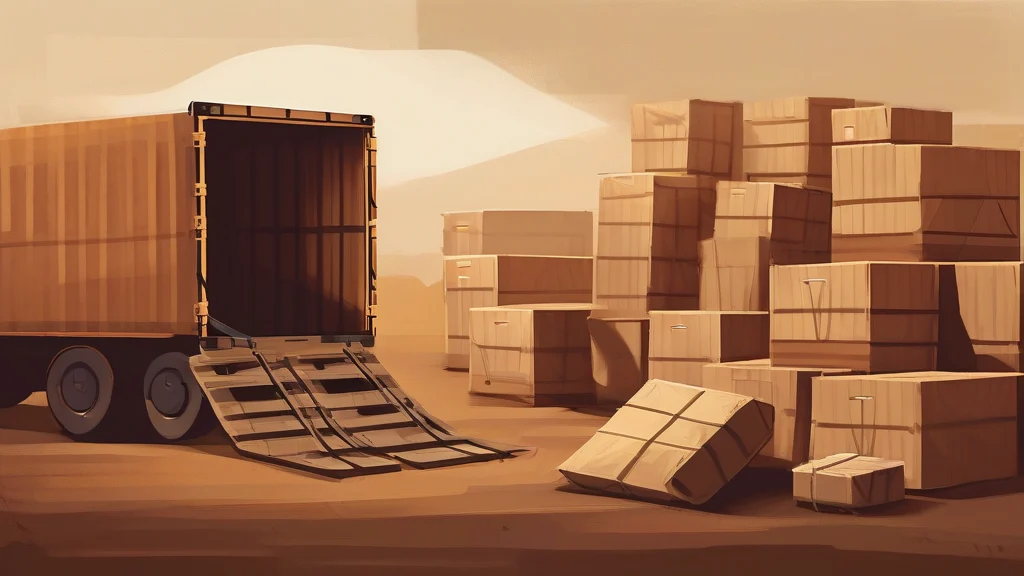
Dunnage is the material used to brace, cushion, and protect cargo while it is being shipped or stored — timber, straw, cardboard, foam, or inflatable bags stuffed into the gaps so that goods do not shift, chafe, or break in transit. The word is everyday vocabulary in shipping, freight forwarding, and warehousing: dockworkers lay dunnage on a ship's deck before loading, and packaging engineers design custom dunnage for fragile parts. By extension, especially in informal North American usage, dunnage can mean a person's belongings or miscellaneous gear, as when a sailor stows his dunnage below decks. The term carries no strong connotation of value; quite the opposite, it suggests utilitarian filler whose job is done once the real cargo arrives safely. For anyone reading freight documents, supply-chain reports, or packing instructions, dunnage is an unglamorous but essential piece of trade jargon worth knowing.
Material such as wood, straw, cardboard, or inflatable bags used to pack, secure, and protect cargo during shipment or storage.
"Workers loaded dunnage into the container gaps before sealing it for the transatlantic voyage."
Standard term in maritime shipping, freight logistics, and warehousing.
(Informal, chiefly North American) A person's personal belongings or miscellaneous baggage.
"She grabbed her dunnage and hurried off the train."
Colloquial register; common in military, nautical, and travel contexts.
Dunnage is an uncountable mass noun in its primary sense of packing material and has no standard plural form; quantities are expressed as 'pieces of dunnage' or 'dunnage materials'.
"The warehouse keeps pallets of dunnage on hand for every outbound shipment."
Sailors once filled empty ship holds with dunnage — and the same humble word now names the airbags keeping your online order from rattling around its box.
Reviewed by Deb Chak, Editor. AI-assisted content curated by RJS Tech Solutions LLP.
Etymology of dunnage
Dunnage entered English in the early 17th century as a term of maritime commerce, referring to the loose wood and other material laid in a ship's hold to protect cargo from moisture and movement. Its ultimate origin is uncertain; it may derive from 'dun', an old word of obscure provenance meaning a lump or heap, possibly influenced by Low German or Dutch terms used by sailors and traders. From the shipping sense the word broadened naturally to mean any protective packing material, and later acquired an informal American sense of personal belongings.
Related word forms
How dunnage is actually used
The primary sense belongs to the language of shipping, freight, warehousing, and logistics, where 'dunnage' is a routine technical term. The informal sense meaning personal belongings is chiefly North American and colloquial, often heard in military, maritime, or travel contexts. In modern logistics, 'dunnage' also covers reusable containers, foam inserts, and inflatable kraft-paper bags.
Easily confused with dunnage
Tonnage refers to the weight or cargo capacity of a ship, while dunnage is the packing material used to protect cargo.