
What does dutchman mean?
Dutchman ordinarily means a man from the Netherlands, with Dutchmen as its plural. It is a straightforward nationality term, normally capitalized, although its old-fashioned wording makes it less common in contemporary English than terms such as a national of the Netherlands or a Dutch citizen. A second, historical sense denotes a sailing-ship type associated with Dutch maritime trading. The word also has a dated informal use for a German, reflecting older English confusion between Dutch and German; because that usage relies on a stereotype that treated the two countries as interchangeable, it is now generally unsuitable except in historical discussion. The expression “the Flying Dutchman” refers to the legendary doomed vessel and its captain, extending the word's cultural reach. Overall, Dutchman is chiefly useful as a traditional nationality label and as an entry point into the history of English linguistic confusion about northern Europe.
nounA man from the Netherlands. Historically, the word was also used for a Dutch-associated sailing ship and as an informal, now dated label for a German.
- A man from the Netherlands; a Dutch national.
- A historical sailing-ship type associated with Dutch maritime trading.
- A dated informal label for a German, reflecting an older English tendency to confuse Dutch and German identity.
"The guide introduced us to a Dutchman who had designed one of Amsterdam's earliest canal bridges."
"Every Dutchman featured in the exhibition contributed to the country's maritime history."
"The museum's scale model shows the high stern once characteristic of a Dutchman."
The standard plural is Dutchmen. It is normally capitalized when referring collectively to people from the Netherlands.
"The exhibition highlights the achievements of Dutch painters, navigators, and engineers."
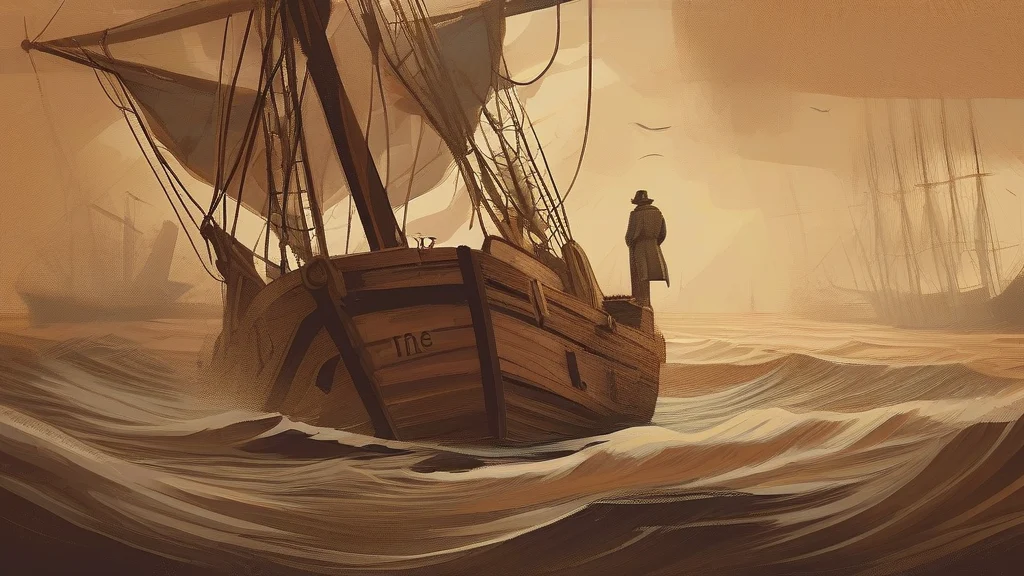
The Flying Dutchman transformed an ordinary nationality label into the name of one of the sea's most enduring legends.
Reviewed by Deb Chak, Editor. AI-assisted content curated by RJS Tech Solutions LLP.
Etymology of dutchman
The element Dutch came into English by the early 16th century from Middle Dutch dutsch, the Dutch language's own name for its people and country. Dutchman was formed in English by combining that established national adjective with the ordinary English word man. The compound was subsequently applied to a Dutch-associated sailing ship, while Hollander, Netherlandish, and Netherlands belong to the same network of names for the region and its inhabitants.
Related word forms
How dutchman is actually used
As a nationality term, Dutchman is normally capitalized and takes the plural Dutchmen. It sounds somewhat old-fashioned in modern general usage. The informal sense meaning a German is dated and may be offensive, especially when it reproduces historical stereotypes that treated the two national groups as interchangeable.
Easily confused with dutchman
Dutch names the language, culture, or nationality associated with the Netherlands, whereas Dutchman specifically means a man from the Netherlands.