What does ebbed mean?
'Ebbed' is the past tense of the verb 'ebb', which describes two closely related processes. Literally, it refers to the movement of the tide as it flows back from the shore, leaving sandbanks and mudflats exposed at low water. Figuratively — and far more frequently in modern usage — it describes any gradual decline or fading away: courage, energy, popularity, memory, or support can all be said to have ebbed. The word carries a quiet, often wistful connotation, implying slow erosion rather than sudden collapse, and writers frequently strengthen this sense with the adverb 'away', as in 'his strength slowly ebbed away'. The term is ancient, appearing in Old English, though its deeper origins are uncertain within the Germanic language family. Whether applied to coastal landscapes or human affairs, 'ebbed' remains an elegant, evocative choice for expressing retreat and gradual loss.
verb (past tense and past participle of 'ebb')Past tense of 'ebb': to recede or flow back from the flood stage, as the tide; by extension, to gradually decline, diminish, or fade away.
- (Of water or the tide) to flow back or recede from the land.
- (Figuratively) to decline or dwindle gradually, as of fortunes, strength, enthusiasm, or support.
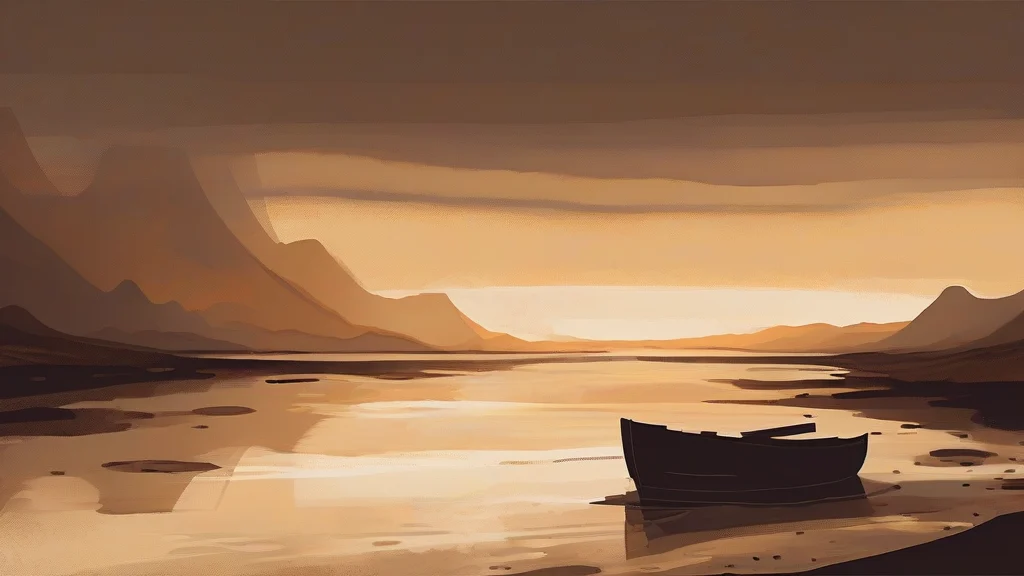
"The water ebbed from the mudflats as the sun set."
"The fishermen waited until the tide had ebbed before setting out across the sands."
"Her confidence ebbed with each rejection letter."
Before English speakers said the sea 'went out', they said it 'ebbed' — a word so ancient its exact origin is lost in prehistoric Germanic.
Reviewed by Deb Chak, Editor. AI-assisted content curated by RJS Tech Solutions LLP.
Etymology of ebbed
'Ebbed' is the past tense of 'ebb', recorded in Old English as 'ebbian', meaning to flow back like the tide. The verb derives from a Germanic root also seen in related forms such as Old Frisian, though the ultimate etymology is uncertain. The figurative use — for anything that declines or fades — developed naturally from the tidal sense and has been established in English for many centuries.
Related word forms
How ebbed is actually used
Literary to neutral in register; the literal tidal sense is technical or descriptive, while the figurative sense is very common in journalism and narrative prose, often paired with 'away' to emphasize gradual loss.
Easily confused with ebbed
'Ebb' is the base form used for general statements ('tides ebb'), while 'ebbed' specifically marks past action ('the tide ebbed yesterday').