What does eclogue mean?
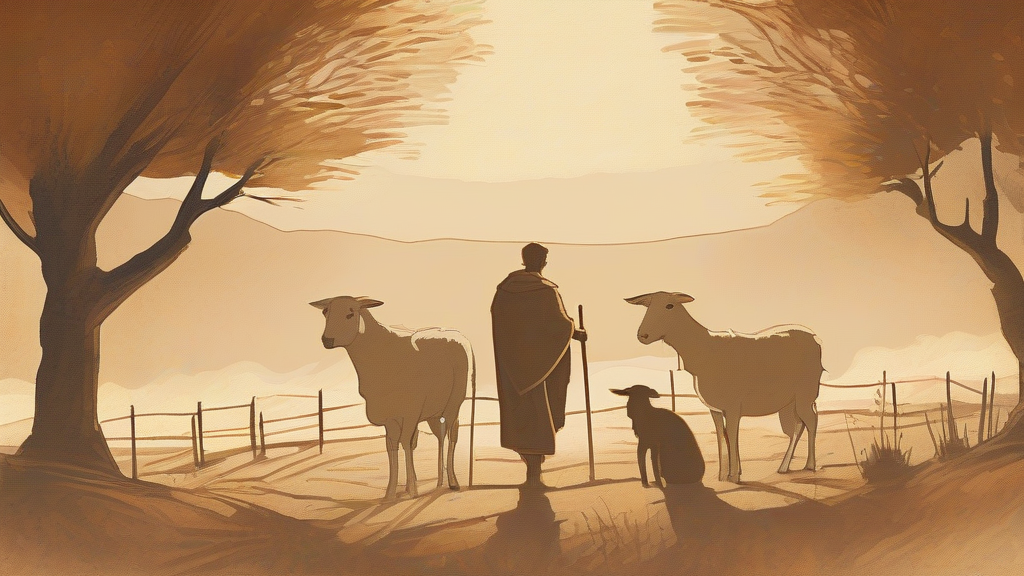
An eclogue is a short poem on a rural or pastoral subject, traditionally written as a dialogue between shepherds and drawing on idealized images of country life. The form was established by the Greek poet Theocritus and perfected by Virgil, whose ten Eclogues (also called Bucolics) became the model for countless imitations across European literature, from Petrarch and Dante to Spenser's Shepheardes Calender and Milton. Although the setting is rustic, eclogues have frequently carried serious or topical weight — political commentary, personal grief, or religious allegory — delivered through the voices of herdsmen. The word entered English in the late fifteenth century via Latin ecloga, from Greek eklogē, meaning 'a selection', reflecting how such poems were 'picked out' from larger collections. Today the term appears chiefly in literary criticism, poetry anthologies, and discussions of the pastoral tradition, where it signals both a specific classical form and, more loosely, any brief poem evoking shepherd life.
nounA short pastoral poem, typically in the form of a dialogue between shepherds, dealing with rural life and often with contemporary themes allegorically.
- A short poem in classical style on a rural subject, especially one cast as a dialogue between shepherds; a pastoral poem.
"Virgil's eclogues established the pastoral dialogue as one of the most enduring forms in European poetry."
"Calpurnius wrote seven eclogues during the reign of Nero, continuing the tradition Virgil had founded."
"Her latest collection includes a modern eclogue in which two farm workers discuss drought and displacement."
Standard regular plural; the plural is common when referring to a poet's collected set of such poems.
"Nemesianus composed four eclogues that survive from antiquity."
The word 'eclogue' comes from the Greek for 'selection' — Virgil's shepherd dialogues were so admired that they were literally 'chosen out' as the best poems of their kind.
Reviewed by Deb Chak, Editor. AI-assisted content curated by RJS Tech Solutions LLP.
Etymology of eclogue
Eclogue derives from Latin ecloga ('short poem, selection'), which was borrowed from Greek eklogē meaning 'choice' or 'selection', from eklegein, 'to pick out'. The Greek term originally referred to chosen extracts or selections of poetry, and it came to designate Theocritus' pastoral idylls before being applied most famously to Virgil's ten shepherd poems, the Eclogues, written in the 40s–30s BCE. English adopted the word from Latin in the late medieval period (by the fifteenth century), initially in learned contexts describing classical and Renaissance pastoral verse. Related words sharing the Greek root include eclogue's cousin 'eclipse' (from ekleipein, 'to leave out') only distantly, but more directly 'eclectic' and 'eklogite' reflect the same idea of selection.
Related word forms
How eclogue is actually used
A literary term used mainly in academic, critical, or historical discussion of poetry. Often capitalized when referring specifically to Virgil's collection (the Eclogues). Rare in everyday speech.
Easily confused with eclogue
A prologue is an introductory section of a literary work or speech, whereas an eclogue is a short pastoral poem about shepherd life.