
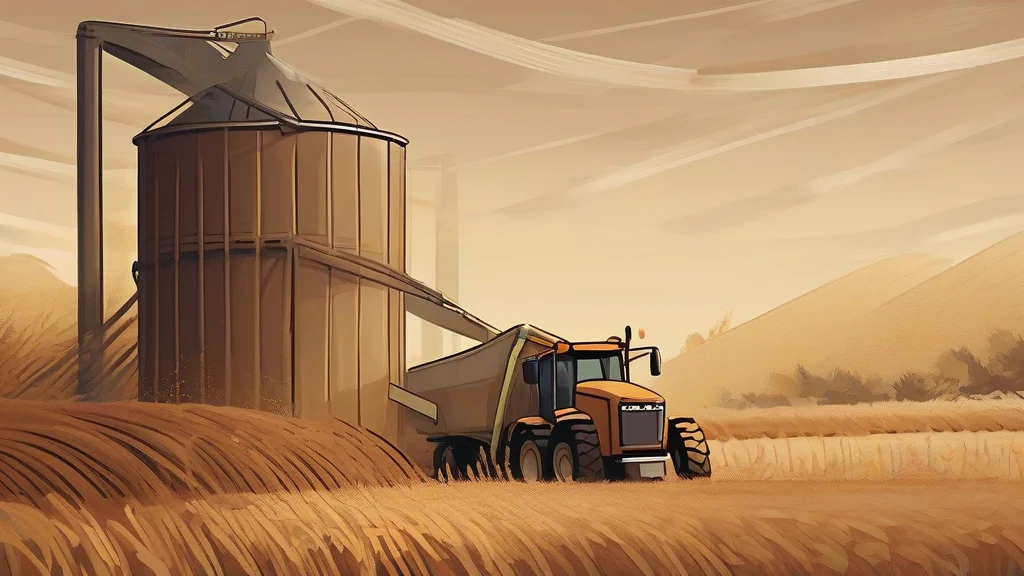
What does ensiled mean?
Ensiled is the past tense and past participle of ensile, an agricultural verb meaning to place fodder or other crop material in a silo for storage. As a participial adjective, ensiled describes material that has been stored this way, as in ensiled grass or ensiled maize. The process preserves fodder through fermentation, producing silage, a feed especially valued by livestock farmers. Although the vocabulary belongs primarily to agriculture, fodder ensiling is practiced in Britain, Ireland, the United States, and other regions with substantial livestock production. In ordinary conversation, ensiled is uncommon because most speakers use silage for the preserved material and discuss storing it rather than naming the act with this technical participle. The word is useful for precise agricultural writing, where it distinguishes a crop that has actually been put into a silo from forage that remains unstored or is fed fresh. Its slightly technical tone also makes it valuable in discussions of silage, preservation, and fodder management.
To place fodder or other crop material in a silo for storage and preservation.
"The crew ensiled the chopped grass in airtight bunkers."
Used chiefly in agriculture, especially when describing the production of silage.
Having been placed in a silo, especially for preservation as silage.
"The farmer mixed the ensiled maize with fresh grass before feeding the herd."
This is a participial adjective formed from the verb ensile.
A crop goes into the silo; fermentation turns it into silage.
Reviewed by Deb Chak, Editor. AI-assisted content curated by RJS Tech Solutions LLP.
Where does ensiled come from?
The modern verb ensile entered English from French ensiler, which was formed from silo. English silo comes through Latin from Greek siros, an ancient word for a pit or underground store. The form ensiled developed as the ordinary past tense and participle of ensile.
How ensiled is actually used
Chiefly agricultural and specialist. It is more common in farming, silage, and animal-feed contexts than in general conversation. As an adjective, it normally describes fodder or crop material that has undergone silage preservation.
Easily confused with ensiled
Ensile is the base verb, while ensiled is its past tense and past-participle form.