
What does enterocyte mean?
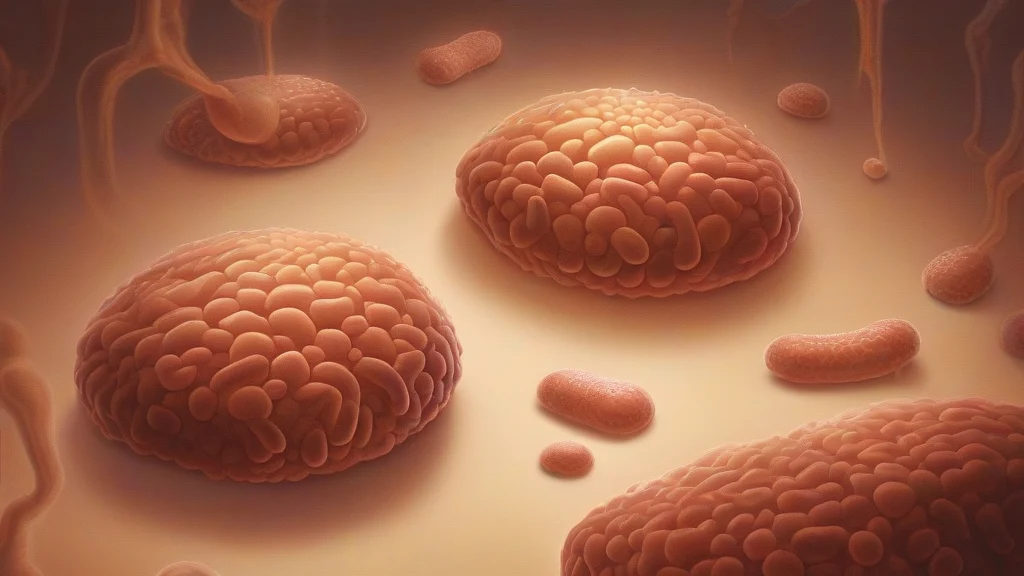
An enterocyte is a specialised epithelial cell that lines the inner surface of the intestine, where it serves as the body's principal site of nutrient absorption. Shaped like tall columns and packed tightly together, enterocytes form a continuous sheet whose luminal face bristles with microscopic projections called microvilli, collectively known as the brush border. Enzymes embedded in this border complete the digestion of sugars and proteins, while transporter proteins shuttle glucose, amino acids, fats, vitamins, and minerals across the cell into the bloodstream. Enterocytes are remarkably short-lived: they are continually produced in the crypts between intestinal glands and migrate upward to be shed from the villus tip within days, a rapid turnover that helps protect against wear and pathogens. The word belongs chiefly to medical and biological writing, appearing in discussions of digestion, coeliac disease, inflammatory bowel disease, and drug-absorption studies.
nounAn enterocyte is a cell lining the small intestine (and, to a lesser extent, the large intestine) that absorbs nutrients from digested food. It is the most abundant cell type of the intestinal epithelium.
- A columnar absorptive epithelial cell that lines the lumen of the small intestine and forms the principal barrier between digested food and the body's internal environment.
"Glucose crosses the apical membrane of the enterocyte via active transport before passing into the bloodstream."
"Each enterocyte is covered on its luminal surface by microvilli, forming the brush border that vastly increases absorptive area."
"In coeliac disease, immune damage to the enterocytes flattens the intestinal villi and impairs nutrient uptake."
Regular plural formed by adding -s. Common in biomedical literature when discussing populations or layers of these cells.
"Damaged enterocytes are rapidly replaced by new cells migrating up from the crypts."
You shed and replace your enterocytes roughly every four to five days — meaning your gut lining rebuilds itself about ninety times a year.
Reviewed by Deb Chak, Editor. AI-assisted content curated by RJS Tech Solutions LLP.
Where does enterocyte come from?
Enterocyte is formed from two classical roots: Greek 'enteron', meaning intestine, and '-cyte', from Greek 'kytos' (hollow vessel), the standard scientific suffix denoting a cell. The compound follows the pattern of nineteenth- and twentieth-century anatomical nomenclature built on these combining forms. It shares its roots with words such as enteric and enteritis (from enteron) and cytoplasm, cytology, and leucocyte (from kytos).
How enterocyte is actually used
Strictly technical vocabulary confined to anatomy, physiology, gastroenterology, and cell biology. It does not appear in everyday conversation or general prose. In research writing it often appears in discussions of nutrient transport, epithelial renewal, and models such as Caco-2 cells, which are used in laboratories as an enterocyte-like line.
Easily confused with enterocyte
A goblet cell is a mucus-secreting cell of the intestinal lining, whereas an enterocyte is an absorptive cell; both are epithelial cells but with distinct functions.
The enteron is a term for the alimentary canal or digestive cavity as a whole, while an enterocyte is a single cell within that system's lining.