
What does entrenching mean?
Entrenching is the present participle of the verb entrench, meaning to establish something so firmly that it becomes very difficult to change or dislodge. In modern usage the word is overwhelmingly figurative: constitutions entrench rights, institutions become entrenched through long-standing precedent, and entrenched attitudes are those resistant to reform. A secondary, literal sense refers to digging trenches, particularly as a defensive military measure — a usage common in historical accounts of siege warfare. The word carries connotations of permanence and resistance to alteration; whether this is positive (protecting fundamental freedoms from easy repeal) or negative (entrenching privilege or bureaucratic inertia) depends entirely on what is being entrenched. It derives from the Old French trenchier, to cut, via the noun trench.
verb (present participle of entrench)The act of establishing something so firmly that it is very difficult to change or remove, or digging a trench for defensive purposes.
- (figurative) Establishing something firmly and securely so that it is difficult to alter or remove — attitudes, rights, powers, practices.
- (literal) Digging a trench, especially as a defensive military position.
"Years of precedent have entrenched the practice deeply within the institution."
"The new constitution was aimed at entrenching fundamental rights beyond the reach of any single government."
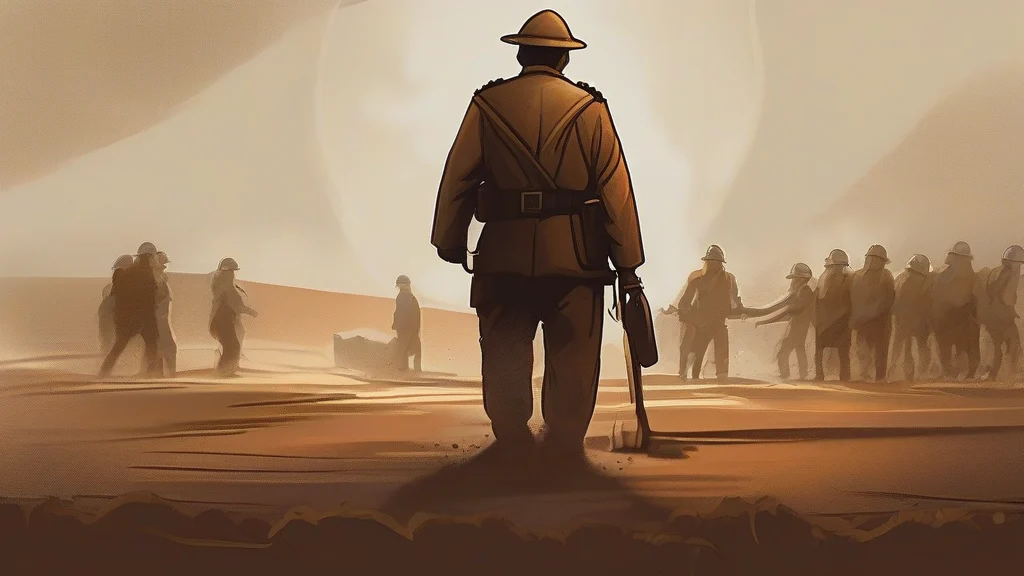
"By nightfall the troops were entrenching along the ridge to prepare for the expected counterattack."
Reviewed by Deb Chak, Editor. AI-assisted content curated by RJS Tech Solutions LLP.
Etymology of entrenching
Entrenching comes from entrench, formed from the prefix en- ('in, into') plus trench, from Old French trenchier ('to cut'), ultimately from Latin truncare ('to maim, cut short'). The literal military sense of cutting or digging trenches dates from around the early 17th century, with the figurative sense of firmly establishing something developing shortly afterward. Related words sharing the same root include trench, trenchant, retrench, and intrench (an older variant spelling).
Related word forms
How entrenching is actually used
Mostly formal or academic register; the figurative sense dominates contemporary usage. The spelling 'intrenching' is an older variant now largely superseded by 'entrenching'.
Easily confused with entrenching
Retrenching means cutting back or reducing expenses or scope, while entrenching means firmly establishing something.