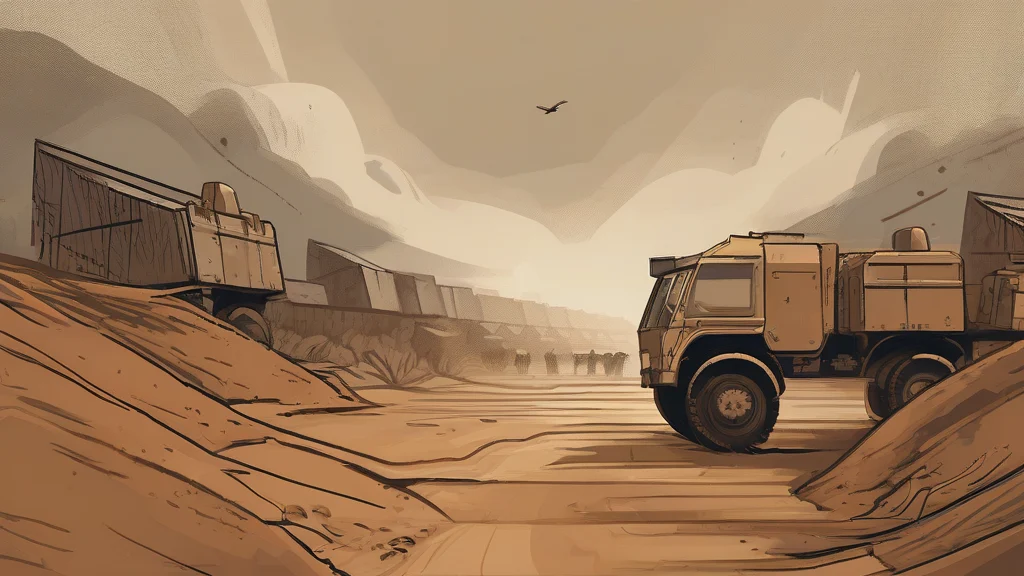
What does entrenched mean?
Entrenched describes something so firmly established that changing it would be difficult, slow, or contentious. Originally a military term — soldiers were said to be entrenched when protected by dug-in defensive earthworks — it has become overwhelmingly figurative in modern English. We speak of entrenched attitudes, entrenched bureaucracies, entrenched inequality, and entrenched political power: patterns and institutions that have been in place long enough to resist challenge. The metaphor is vivid and physical: just as a trench shields a soldier from attack, an entrenched idea or system is shielded from criticism or reform by habit, inertia, and self-interest. The word often carries a critical tone, implying that what has hardened should perhaps be loosened, though it can be used neutrally for well-settled practices. Common collocations include 'deeply entrenched' and 'entrenched interests', making it indispensable vocabulary for discussing social change, organizational behavior, and politics.
adjective(Of attitudes, habits, institutions, or positions) firmly established and difficult or unlikely to change. Also, in military contexts: protected by trenches or other defensive earthworks.
- (of beliefs, habits, systems, or power structures) firmly established and resistant to change.
- (military) protected by trenches or fortified with earthworks.
"The practice had become so entrenched that no one questioned its origins."
"Gender stereotypes remain deeply entrenched in many workplaces."
"By dawn the troops were entrenched on the hillside, waiting for the enemy's advance."
The same trench a soldier digs to hold a defensive line gave us 'entrenched' — the word we use for ideas so deeply dug into our minds they're nearly impossible to dislodge.
Reviewed by Deb Chak, Editor. AI-assisted content curated by RJS Tech Solutions LLP.
Etymology of entrenched
Entrenched comes from the verb entrench, formed from the prefix en- ('to make, put into') plus trench, which derives from Old French trenchier ('to cut'), ultimately from Vulgar Latin truncare, from Latin truncus ('trunk, stump'). In military usage from the sixteenth century onward, to entrench meant to dig defensive ditches and earthworks around a position. By extension, the participial adjective entrenched came to describe anything similarly dug in and defensible — first literally, then figuratively for firmly established beliefs, customs, and power structures. Cognates include French tranche and retrench.
Related word forms
How entrenched is actually used
Almost always used figuratively today; the literal military sense is largely historical or technical. Often intensified by adverbs such as 'deeply', 'firmly', or 'so'. The connotation is usually negative or at least cautionary — an entrenched position implies rigidity and resistance to reform — though it can be neutral when describing stable institutions.
Easily confused with entrenched
Intrenched is an older spelling variant of the same word; entrenched is now the overwhelmingly standard spelling.