
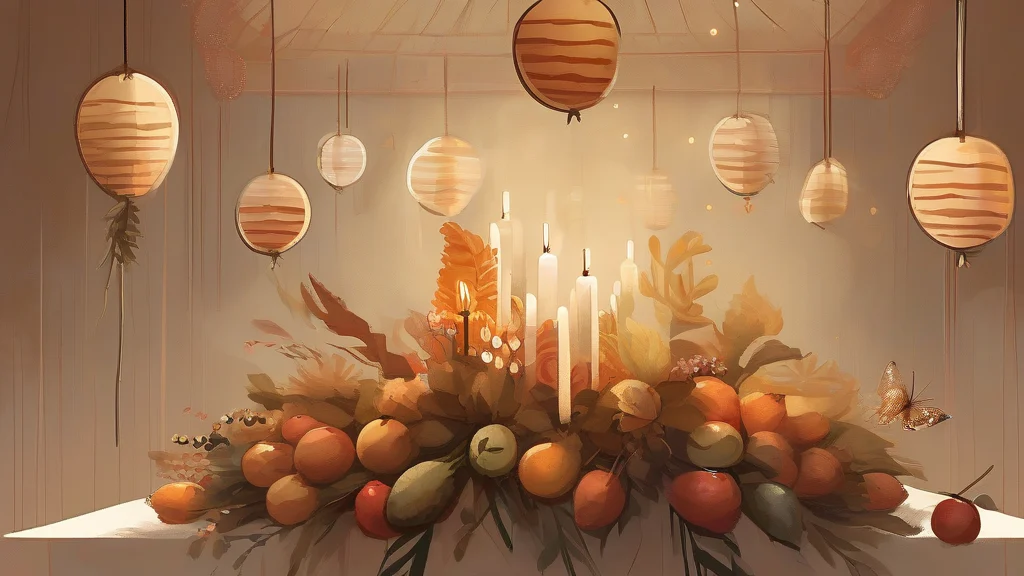
What does festoonery mean?
Festoonery denotes decorative material or objects arranged as festoons: suspended garlands, cascading strands, and ornamental displays made from items such as flowers, ribbons, leaves, fabric, or lights. The word can refer either to the decoration itself or more generally to the art of decorating with these arrangements. It is especially associated with celebrations, weddings, holiday displays, theatrical settings, and formal interiors, where garlands and swags create a sense of abundance and ceremony. Although fully standard in British and American English, festoonery is less common than the broader word “decorations” and often carries a mildly old-fashioned, elegant, or richly ornamental tone. In modern usage, the term is particularly appropriate for describing ribbons, floral arrangements, or strings of lights hung in decorative curves. A plural, “festooneries,” is occasionally used, but the word is often treated as an uncountable collective noun.
nounDecorative objects or materials arranged as festoons, especially ribbons, flowers, foliage, or lights. The term can also refer more broadly to ornamental decoration displayed in a suspended or cascading arrangement.
- Decorative objects or materials arranged as festoons, especially ribbons, flowers, foliage, or lights.
- The art or practice of decorating an interior, venue, or event with festoons.
"Golden festoonery draped across the ballroom transformed the plain walls into an elegant setting."
"Satin ribbons and silver bells formed elegant festoonery around the mantelpiece."
"The designers used paper flowers and painted leaves to create playful garden-themed festoonery."
The plural is uncommon; festoonery is more often used as a collective or uncountable noun.
"The shop displayed several colorful festooneries suitable for weddings and holiday parties."
Festoonery belongs to the feast: its name ultimately reaches back to the Latin word for a feast, even when it now decorates everything from wedding halls to winter festivals.
Reviewed by Deb Chak, Editor. AI-assisted content curated by RJS Tech Solutions LLP.
Where does festoonery come from?
Festoonery entered English in the 18th century through French festonner, meaning to decorate with ribbons or garlands. The French word came from Italian festoniare and festone, generally traced to Latin festa, meaning “feast.” Its history therefore connects the modern decorative sense with the idea of celebration and festive display.
How festoonery is actually used
The word is standard but relatively uncommon and has a slightly formal or traditional character. In contemporary event and interior design, “decorations” or “decor” is often more natural, while “festoonery” suggests decorative swags, garlands, or suspended displays.
Easily confused with festoonery
A festoon is a single decorative arrangement, often a suspended garland or swag, whereas festoonery refers collectively to such decorations or the art of decorating with them.