What does fighter mean?
A fighter is, at its most literal, a person who engages in combat — a boxer in the ring, a soldier on the battlefield, or a martial artist. Over time the word has broadened to describe anyone who confronts hardship with grit and resilience: patients battling illness, activists pressing for justice, and athletes refusing to quit are all commonly called fighters, and the term carries warm, admiring connotations of courage and persistence. The word also names a specialized class of fast, heavily armed military aircraft built to intercept other planes — the sense behind compounds like fighter jet and fighter pilot. Derived from Old English feohtan, meaning to fight, the noun reflects one of English's oldest Germanic word families. Whether describing a prizefighter's fists, a freedom fighter's cause, or a fighter plane's speed, the word consistently evokes struggle, strength, and refusal to surrender.
nounA person who fights, especially professionally or with determination; also an aircraft designed to shoot down other aircraft in combat.
- A person who engages in physical combat, such as a boxer or martial artist.
- A person who struggles or perseveres determinedly against difficulty, illness, or opposition.
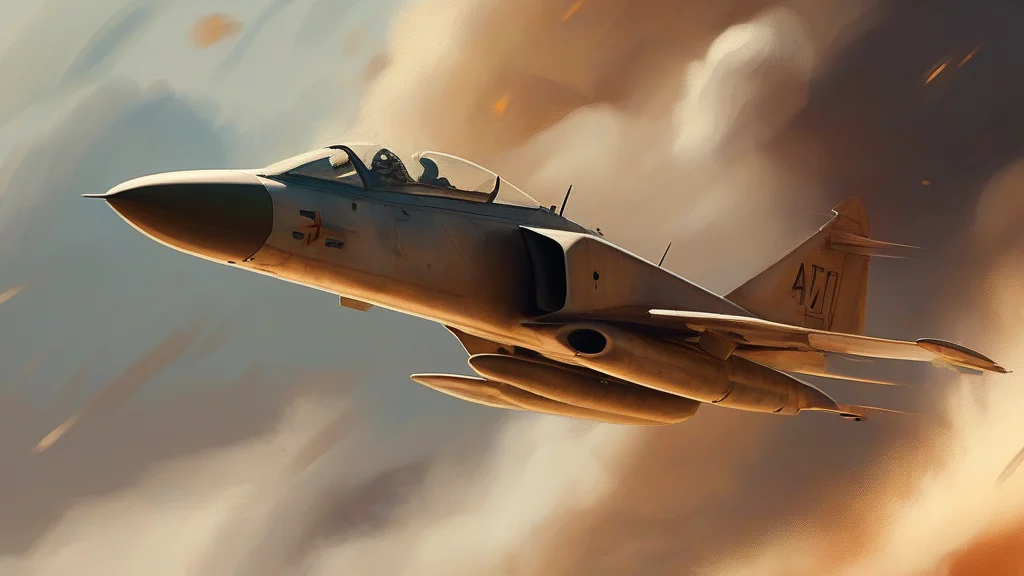
- A military aircraft designed to intercept and destroy enemy aircraft.
"After years of illness she proved herself a true fighter, never once giving up."
"The young fighter stepped into the ring to defend her title."
"Doctors described him as a real fighter who battled the disease for over a decade."
Standard pluralization applies simply by adding -s.
"The squadron sent three fighters to escort the bomber."
"Firefighter" isn't just a job title — it literally contains "fighter," and English has been compounding it into everything from freedom fighters to fighter jets for centuries.
Reviewed by Deb Chak, Editor. AI-assisted content curated by RJS Tech Solutions LLP.
Etymology of fighter
Fighter derives from the verb fight, which comes from Old English feohtan, meaning to strive against or contend in battle. This verb has deep Germanic roots, related to words in other Germanic languages such as Old High German fehtan. The agentive suffix -er was added to form fighter, producing a word that literally means one who fights. Its cognates remain within the Germanic family rather than deriving from Latin or Greek sources.
How fighter is actually used
In everyday speech, calling someone a "fighter" is strongly positive, implying courage and resilience rather than aggression. In military contexts, "fighter" alone usually means a fighter aircraft; "fighter pilot" and "fighter jet" are standard compounds.
Easily confused with fighter
Flier refers to a person or thing that flies (or a leaflet), whereas fighter is someone who engages in combat or shows tenacity.