What does filature mean?
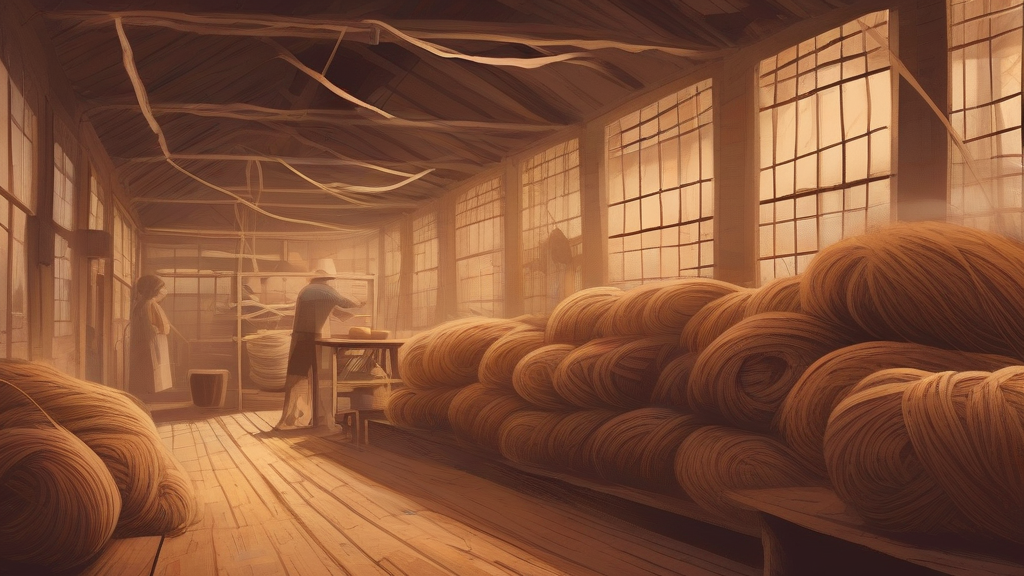
Filature is a specialized term from the silk industry denoting the process of reeling raw silk from cocoons, and by extension the factory or workshop in which that work is performed. When cocoons are placed in hot water, their sericin coating softens and the single continuous filament of each can be gently unwound; several of these gossamer threads are then combined into a workable strand of raw silk. This delicate operation is the essence of filature. The word derives from French, ultimately rooted in the Latin filum, meaning 'thread', which also gives us filament and related terms. Though once central to silk-producing economies in Europe, Asia, and the Americas — where grand filature buildings employed thousands — the term today is largely historical, appearing in accounts of the silk trade and in preserved industrial heritage sites. It is precise, technical vocabulary rather than everyday speech.
The act or process of reeling raw silk from cocoons.
"Skilled workers oversaw every stage of the filature, drawing the fine threads from steaming basins of water."
Primarily used in historical and technical contexts relating to sericulture.
An establishment or factory where raw silk is reeled from cocoons.
"The abandoned filature on the hillside is now a museum documenting the region's silk industry."
Standard plural, used chiefly when referring to multiple silk-reeling factories.
"Dozens of filatures once lined the river valleys of northern Italy."
Before a single silkworm's thread becomes cloth, it must pass through a filature — and in silk-producing regions, entire towns once lived and died by these reeling factories.
Reviewed by Deb Chak, Editor. AI-assisted content curated by RJS Tech Solutions LLP.
Etymology of filature
Filature comes from French filature, formed from filer ('to spin, to draw out thread'), which descends from the Latin filare, itself derived from filum, 'thread'. The same Latin root underlies English words such as filament, filiform, and profile, all carrying the core idea of a line or thread. The term entered English during the era of organized silk manufacture, when European silk-reeling establishments were commonly known as filatures.
How filature is actually used
A technical and somewhat archaic term, now encountered mainly in discussions of the historic silk industry, sericulture, or industrial heritage sites. It carries no figurative use in ordinary modern English.
Easily confused with filature
Filature refers to reeling raw silk from cocoons (or the factory where it is done), while filigree is delicate ornamental work made from fine twisted wire, often gold or silver.