
What does flameproofing mean?
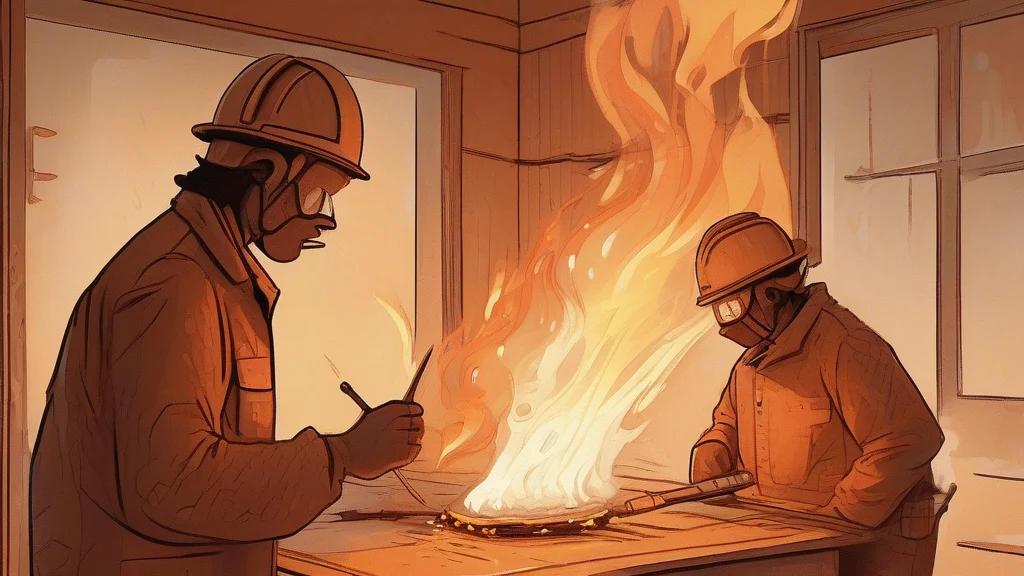
Flameproofing is the process of treating materials so that they resist catching fire or being damaged by flames. It is especially important in textiles, construction, furnishings, transport, and other settings where a small ignition could spread rapidly. Flameproofing does not necessarily mean that a material can withstand unlimited heat; rather, it is intended to improve its resistance to flame under specified conditions. As a noun, the word usually names the treatment or overall process. In attributive use, flameproofing can also describe the equipment, substances, or treatments involved, as in flameproofing equipment and flameproofing treatment. The term is related to fireproofing, although flameproofing places particular emphasis on resistance to flames. Although less common than the general terms fire-resistant or flame-retardant, it is useful in technical contexts because it identifies both the action of making a material safer and the specialized treatment used to do so.
The process or treatment of making a material resistant to catching fire or suffering damage from flames.
"Flameproofing of the stage curtains is required under the venue's safety rules."
Usually uncountable and commonly used in technical, textile, construction, and safety contexts.
Serving to make something flame-resistant or belonging to the process of making something flame-resistant.
"The company purchased new flameproofing equipment for the factory."
Normally used attributively before a noun such as equipment, treatment, or process.
The noun names a process or treatment and is therefore normally used in the singular or without an article in general statements.
"Flameproofing provides an additional layer of protection against the spread of fire."
Flameproofing can stop a small flame from becoming a major disaster.
Reviewed by Deb Chak, Editor. AI-assisted content curated by RJS Tech Solutions LLP.
Where does flameproofing come from?
Flameproofing is formed from the English compound flameproof and the suffix -ing. Flame derives from Old English flam, while proof in the sense of demonstrated quality or tested resistance comes through Old French from Latin probare. Related English formations include fireproof and fireproofing, which developed from the same compound-forming tradition but use fire rather than flame.
How flameproofing is actually used
Chiefly a technical, industrial, and safety term. As a noun, it is normally used as an uncountable process or treatment; attributively, it can describe equipment, agents, or treatments involved in making a material flame-resistant.
Easily confused with flameproofing
The terms overlap closely, but flameproofing conventionally emphasizes resistance to flames, whereas fireproofing more broadly suggests resistance to fire and burning.