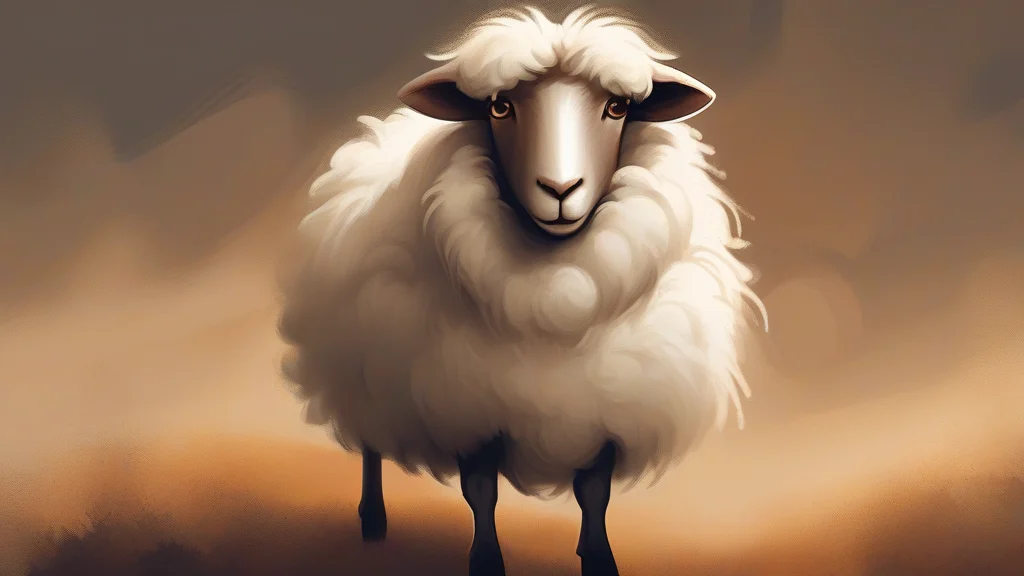
What does fluff mean?
Fluff denotes light, soft, airy material — the downy fibers that collect on sweaters, gather under sofas, or fill a freshly plumped pillow. As a verb, to fluff something is to shake or arrange it so it becomes fuller and loftier, as with cushions or whipped egg whites. Beyond the physical sense, fluff carries a strong figurative meaning: content that is trivial, insubstantial, or merely decorative, whether a lightweight film, padded journalism, or filler in an argument. This gives the word a mildly pejorative edge when applied to ideas or entertainment, contrasting sharply with its cozy domestic associations. In British theatre, fluffing one's lines means stumbling over or forgetting them. The word's blend of comfort and criticism makes it useful for describing both texture and substance — or the lack of it.
Soft, light, downy fibers or fluffy material; also, figuratively, anything trivial or lacking substance.
"A wisp of fluff drifted across the floor."
Usually treated as uncountable; the plural 'fluffs' appears mainly for individual tufts or, informally, small mistakes.
To shake or plump something so that it becomes fuller, softer, or more upright; in British theatre slang, to forget or muddle one's lines.
"He fluffed the pillows before the guests arrived."
Fluff is most commonly used as a mass noun with no plural; 'fluffs' appears only when counting distinct tufts of fiber or, informally, minor errors or blunders.
"I had to pick several fluffs off the wool blanket."
'Fluff' has two opposite reputations: the cozy softness of pillows and the harsh theatrical insult for forgetting your lines on stage.
Reviewed by Deb Chak, Editor. AI-assisted content curated by RJS Tech Solutions LLP.
Etymology of fluff
The origin of fluff is uncertain; it emerged in English usage around the late eighteenth to early nineteenth century and may be connected by variant form to the older word flue, meaning down or fluffy fibers, though a definitive ancestor has not been established. Some lexicographers suspect an imitative or Low German source, but this remains speculative. Its figurative use for trivial matter developed later, and its theatrical sense arose in twentieth-century British stage slang.
Related word forms
How fluff is actually used
As a noun, fluff is typically an uncountable mass noun, though 'fluffs' can refer to individual pieces of fiber or, informally, minor blunders. In British theatre slang, 'to fluff' one's lines means to forget them. The figurative sense describing trivial content is mildly dismissive or derogatory. The dated phrase 'a bit of fluff' referred flirtatiously to a woman and is now considered offensive.
Easily confused with fluff
Fuzz refers to short, fine, often tangled fibers or a blurry appearance, while fluff suggests lighter, softer, loftier material like down or pillow stuffing.
A flake is a small, thin, flat piece that breaks off something (such as skin or paint), whereas fluff is soft fibrous material.