What does foraging mean?
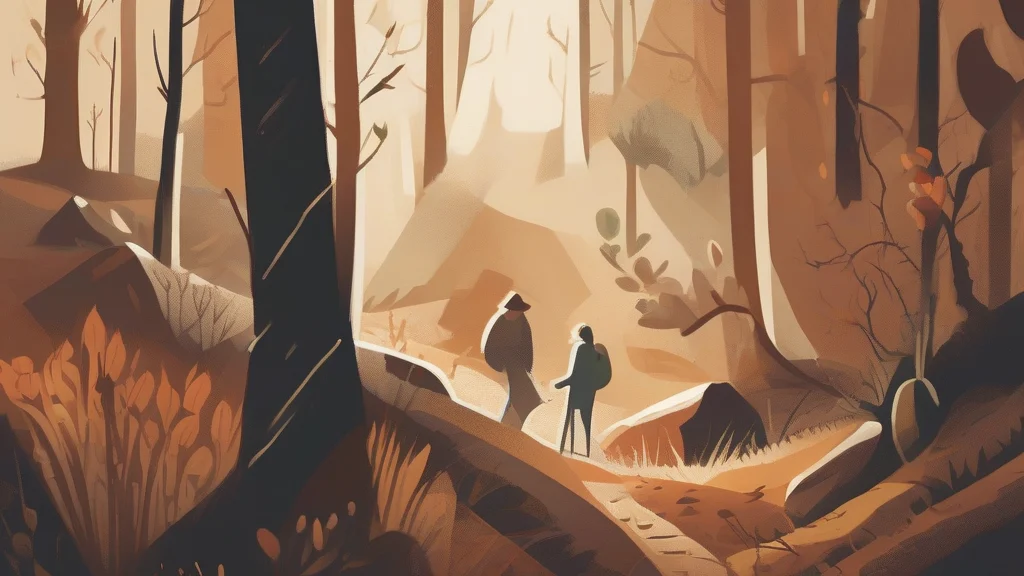
Foraging is the act of searching widely for food or other resources, most commonly understood today as gathering wild edible plants, berries, nuts, and mushrooms from natural environments. The word derives from "forage," which originally referred to fodder for animals and was long associated with soldiers seizing provisions from the countryside during campaigns. In contemporary use, foraging has taken on fashionable, positive connotations: it evokes self-sufficiency, sustainability, and a closer connection to nature, and it features prominently in discussions of local food movements and restaurant culture. In biology and behavioural ecology, foraging is also a formal term describing how animals search for and obtain food, making the word useful across both everyday and scientific contexts. Whether describing a weekend walk through woodland hunting for chanterelles or an animal's feeding strategy, foraging captures the timeless human and animal practice of seeking sustenance directly from the environment.
The activity of searching for and gathering food or other resources, especially wild food from natural surroundings.
"Mushroom foraging has become a popular pastime in the Pacific Northwest."
Often used as a gerund-like noun describing the activity itself; common in phrases such as "go foraging".
To search broadly for food, supplies, or provisions.
"Squirrels forage intensively before winter sets in."
Plural is uncommon; foraging usually functions as a singular activity noun or as a verb.
"Several foragings through the same wood rarely yield identical finds."
Soldiers once lived off 'forage' — the word's military roots mean your weekend mushroom hunt shares vocabulary with Napoleon's army.
Reviewed by Deb Chak, Editor. AI-assisted content curated by RJS Tech Solutions LLP.
Etymology of foraging
Foraging derives from "forage," which entered English in the late medieval period, likely via French "fourrage", meaning fodder for horses and cattle. The root traces further back to Frankish *fōdr-, related to Germanic words for food and fodder, sharing ancestry with English "fodder." Originally tied to the military practice of collecting provisions for animals and troops, the word broadened over time to describe any wide-ranging search for food. Cognate forms appear across Romance languages, including French "fourrager" and Spanish "forraje."
Related word forms
How foraging is actually used
"Foraging" carries increasingly positive, even fashionable connotations in modern usage, associated with sustainability and farm-to-table cuisine. Historically, however, "forage" had strong military associations with requisitioning supplies from occupied land. In biology, "foraging" is a technical term in behavioural ecology.
Easily confused with foraging
Forging means shaping metal by heating and hammering, or counterfeiting a signature or document, whereas foraging means searching for food or provisions.