What does fringe mean?
Fringe refers both to a physical object and to a metaphorical position: literally, it is a decorative border of hanging threads, tassels, or loops used to trim garments, curtains, and upholstery since antiquity; figuratively, it describes the outermost edge of anything — a forest, a city, a political movement, or society itself. The word also has everyday meanings in different regions: in British English, a fringe is the strip of hair cut to fall over the forehead, known in American English as bangs, while in workplace language a 'fringe benefit' is a perk such as health insurance that comes with a job beyond salary. When fringe describes people or beliefs, it frequently carries a connotation of marginality, eccentricity, or unorthodoxy, distinguishing the 'fringe' from the mainstream. Derived from Latin through Old French, this versatile word lets speakers describe decoration, geography, and social position with equal ease.
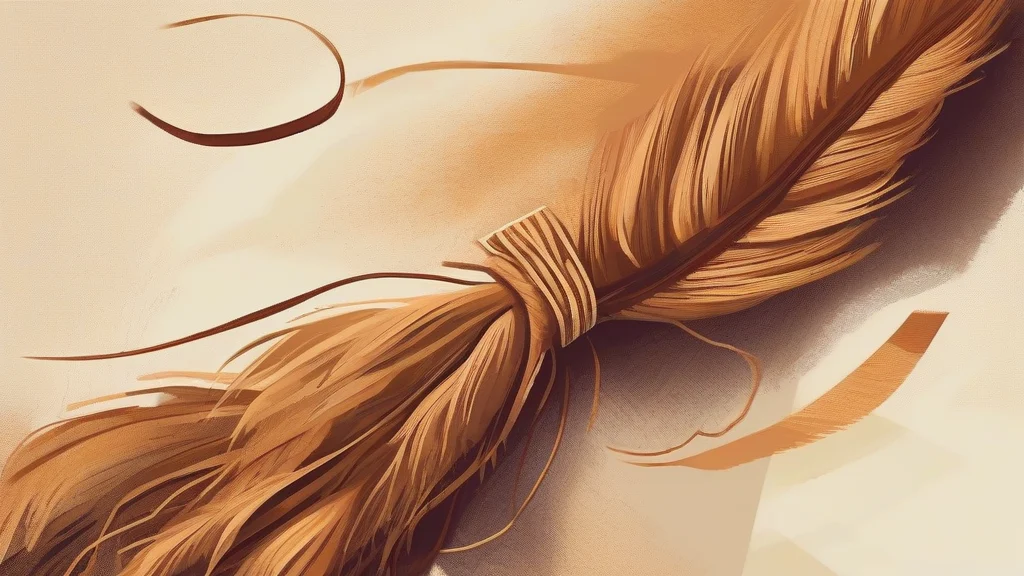
A decorative border of hanging threads, tassels, or loops; also the outermost edge or margin of a place, group, or activity.
"The carpet's golden fringe was worn thin after decades of use."
In British English, 'fringe' also denotes hair falling over the forehead.
To adorn with a fringe, or to form or occupy the border or outer edge of something.
"Pine trees fringed the entire length of the lake."
Relating to or characteristic of the outer, less central, or less conventional part of a group, field, or society.
"The party attracted support only at the political fringe."
The plural 'fringes' is standard, typically used when referring to multiple edges or borders, as in 'the fringes of society.'
"Anthropologists studied the communities living on the fringes of the empire."
The tassels trimming your curtains and the bangs on your forehead share one word — and in Britain, those forehead hairs are called a 'fringe' while Americans call them 'bangs.'
Reviewed by Deb Chak, Editor. AI-assisted content curated by RJS Tech Solutions LLP.
Etymology of fringe
Fringe derives ultimately from the Latin noun fimbria, meaning 'fibers' or 'shred,' which passed through Vulgar Latin into Old French as frenge before entering Middle English around the fourteenth century. The anatomical term fimbria, used for the finger-like projections at the end of the fallopian tube, preserves the original Latin root directly. The word's long association with textile decoration reflects its origin in woven fabric edging.
Related word forms
How fringe is actually used
In British English, 'fringe' commonly refers to hair over the forehead, which Americans call 'bangs' — a frequent point of transatlantic confusion. When applied to people or ideas, 'fringe' often carries a mildly negative connotation of marginality or unorthodoxy.
Easily confused with fringe
Infringe is a verb meaning to violate or encroach upon rights or limits, whereas fringe denotes a decorative border or outer edge.