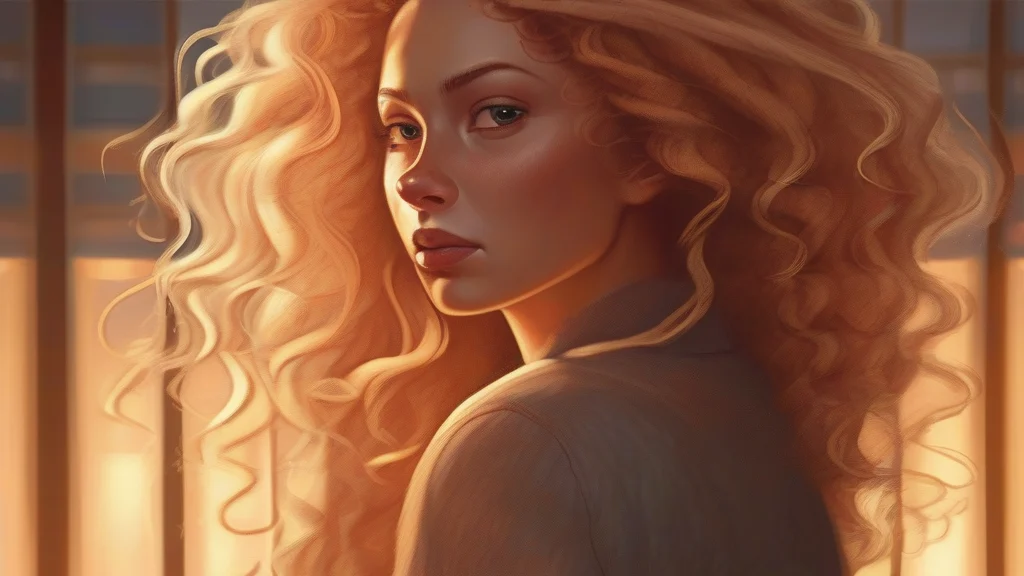
What does frizzier mean?
"Frizzier" is the comparative form of "frizzy," an adjective describing hair or fibrous material that forms tight, fine, often unruly curls. Saying hair has grown frizzier means it has become more crimped, puffed, or tufted than before — a change most commonly blamed on humidity, heat damage, or dryness. The word belongs almost entirely to everyday conversation and the beauty industry, appearing constantly in product marketing, salon consultations, and weather-related complaints about one's hairstyle. Its connotation is generally negative: frizziness is treated as something to be smoothed, tamed, or moisturized away, though writers sometimes use the word neutrally or affectionately when describing natural curl patterns, a pet's wiry coat, or an endearingly untidy look. Simple but vivid, the word captures a texture everyone recognizes, making it a useful addition to any vocabulary of appearance and description.
adjectiveThe comparative form of 'frizzy': more tightly curled or tufted than something else, especially of hair that has formed small, crisp curls.
- More tightly curled or tufted in texture than another thing; used chiefly of hair that has developed fine, crisp curls, often due to dryness or humidity.
"Her hair grew frizzier as the humidity climbed through the afternoon."
"After years of chemical straightening, her hair was frizzier than she remembered."
"The poodle's coat looked even frizzier once it dried after the bath."
Humidity is the enemy: the same head of hair that looks sleek at breakfast can turn noticeably frizzier by lunch, which is why this humble comparative word dominates hair-care reviews worldwide.
Reviewed by Deb Chak, Editor. AI-assisted content curated by RJS Tech Solutions LLP.
Etymology of frizzier
Frizzier derives from the adjective "frizzy," which comes from the verb "frizz." The verb appeared in English around the late 16th century, likely borrowed from French "friser," meaning to curl or crisp the hair, though its ultimate origin remains somewhat obscure. Related French-derived terms such as "frisure" (a curl or hairstyle) share the same root, tying the whole family to the historic art of hairdressing.
Related word forms
How frizzier is actually used
An informal-to-neutral everyday word, overwhelmingly used in the context of hair and personal appearance. It carries a mildly negative connotation, since frizziness is usually described as unwanted, though it appears neutrally in descriptions of naturally curly coats and textures.
Easily confused with frizzier
'Friskier' means more playful or lively, whereas 'frizzier' describes hair that is more tightly curled or unruly.
'Fizzer' can mean something that fails disappointingly (British informal) or makes a fizzing sound, while 'frizzier' refers solely to curly, tufted texture.